
 Por Kust Madera

Celebrated across centuries for their luxuriant flowing coats, sweet pansy-like expressions, and gentle aristocratic temperaments, Persian cats represent one of the most cherished and recognizable pedigree feline breeds in the world. Yet the extreme artificial selection that created the modern ‘peke-face’ Persian—characterized by profound craniofacial foreshortening (brachycephaly), massive globular eyes, and dense flattened nasal bridges—places the breed at extraordinary risk for specialized anatomical and genetic disorders. Persian cats suffer from the highest feline incidence of Polycystic Kidney Disease (PKD), chronic upper airway obstruction, severe tear duct malformations resulting in epiphora and corneal ulcerations, and dental malocclusions. Diagnosing and treating a Persian cat with renal cysts, corneal sequestra, or respiratory stenosis can generate specialized veterinary invoices ranging from $2,500 to $8,000. In this exhaustive 2026 guide, we explore how pet insurance underwriters handle hereditary Persian conditions, evaluate policy exclusions, and detail the best insurance strategies for this delicate breed.
Table of Contents
- Polycystic Kidney Disease (PKD) in Persians: Genetics and Clinical Care
- Brachycephalic Airway and Ocular Vulnerabilities in Persian Cats
- How Pet Insurance Underwriters Classify Persian Health Risks
- Realistic Cost Breakdown: Persian Clinical Case Studies
- Top Pet Insurance Providers for Persian Cats Compared
- Essential Action Steps for Persian Cat Parents
Polycystic Kidney Disease (PKD) in Persians: Genetics and Clinical Care
PKD is the foremost hereditary genetic threat facing the Persian breed, demanding early screening and proactive nephrology management.
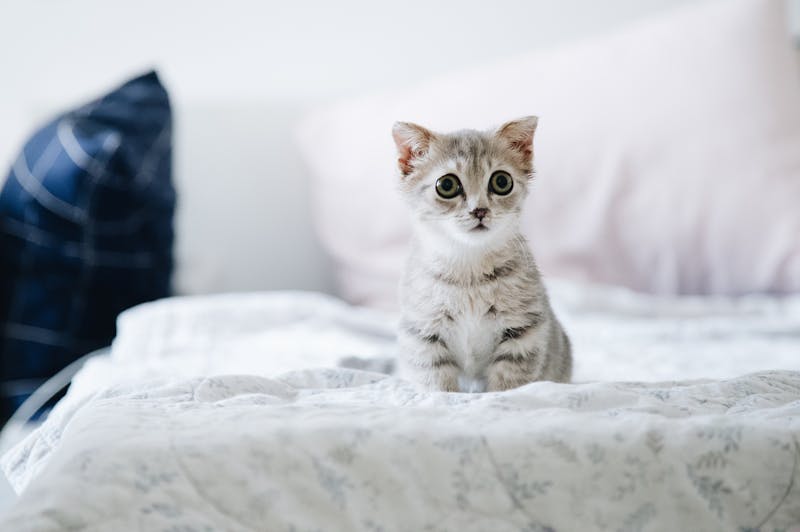
Figure 1: Polycystic Kidney Disease (PKD) in Persians: Genetics and Clinical Care
Pathophysiology: The PKD1 Autosomal Dominant Mutation
Polycystic Kidney Disease in Persian cats is an autosomal dominant hereditary disorder caused by a single transversion mutation (C to A) in exon 29 of the PKD1 gene, which encodes polycystin-1, a critical transmembrane protein regulating renal tubular epithelial differentiation.
Kittens inherit the abnormal allele from affected parents and are born with microscopic, fluid-filled cysts scattered throughout the renal cortex and medulla. As the cat matures, these cysts progressively expand in diameter, compressing and destroying adjacent healthy functional nephrons. Renal failure typically manifests between 3 and 7 years of age, presenting with progressive weight loss, polyuria, polydipsia, vomiting, and uremic halitosis.
Diagnostic Imaging and Screening Protocols
Early diagnosis relies on specialized veterinary diagnostics:
– Renal Ultrasonography: Performed by a board-certified veterinary radiologist, ultrasound detects macroscopic cysts as small as 1 to 2 mm in kittens as young as 10 to 14 weeks ($450 – $850).
– DNA Genetic PCR Testing: Swabs or blood samples submitted to certified veterinary genetics laboratories confirm PKD1 carrier status ($80 – $160).
– Serial Senior Chemistry Panels and SDMA Testing: Evaluates the rate of functional nephron loss ($180 – $350).
Total initial diagnostic staging and ultrasound imaging costs range from $750 to $1,400.
Lifelong Management and Chronic Renal Therapy
While the genetic cyst expansion cannot be reversed, secondary chronic renal failure requires lifelong supportive medical therapy: subcutaneous fluid administration, low-phosphorus therapeutic diets, intestinal phosphate binders, and blood pressure medications (telmisartan / amlodipine), generating cumulative outpatient management expenses of $1,500 to $3,200 annually. Comprehensive pet insurance covers these chronic care costs.
Brachycephalic Airway and Ocular Vulnerabilities in Persian Cats
The Persian’s compressed facial skull creates severe respiratory and ophthalmologic complications.

Figure 2: Brachycephalic Airway and Ocular Vulnerabilities in Persian Cats
Feline Brachycephalic Airway Syndrome and Stenotic Nares
Similar to brachycephalic dog breeds, Persian cats suffer from compressed upper airways. Primary anatomical defects include stenotic nares (severely pinched nostrils), elongated soft palates, and hypoplastic tracheas.
This craniofacial compression produces chronic stertor, loud snoring, poor exercise tolerance, and acute vulnerability to respiratory distress during heat or stress. Severe cases require surgical rhinoplasty (wedge resection to widen nares) and soft palate resection performed with surgical lasers, costing between $2,200 and $4,800.
Corneal Sequestrum, Entropion, and Epiphora
Due to shallow bony eye orbits and wide palpebral fissures, Persian eyes protrude significantly. Facial skin folds roll inward (entropion), causing eyelashes and facial hairs to continuously abrade the cornea, producing chronic tearing (epiphora) and staining.
Chronic corneal irritation frequently precipitates a Corneal Sequestrum—a unique feline pathology where a dark brown or black plaque of necrotic corneal stroma forms within the eye. Treatment requires delicate ophthalmic microsurgery: surgical lamellar keratectomy followed by a conjunctival graft or corneal-conjunctival transposition performed by a veterinary ophthalmologist, costing $2,800 to $5,200 per eye.
How Pet Insurance Underwriters Classify Persian Health Risks
Understanding underwriting guidelines for hereditary and congenital traits prevents claim denials.
Figure 3: How Pet Insurance Underwriters Classify Persian Health Risks
The Genetic Testing vs. Clinical Diagnosis Distinction
Many Persian owners worry that performing a DNA test for the PKD1 gene will result in an immediate pre-existing condition exclusion. Under modern insurance regulations, carrying a genetic mutation without clinical symptoms or ultrasound abnormalities is not considered a pre-existing condition.
However, if your veterinarian performs a baseline ultrasound and notes ‘multiple renal cysts visible,’ or notes ‘audible nasal stridor’ on an exam chart prior to enrollment or during waiting periods, the underwriter will permanently exclude all future kidney and respiratory claims.
Exam Requirements and Clean Baseline Documentation
To ensure full coverage for a Persian kitten, enroll the cat immediately upon adoption and schedule a complete veterinary physical examination within the first 14 days of coverage. Ensure the veterinarian documents clear respiratory sounds, sound cardiac auscultation, and clear eyes without corneal lesions, establishing an unassailable clean baseline.
Realistic Cost Breakdown: Persian Clinical Case Studies
Examining real veterinary hospital invoices demonstrates the financial magnitude of Persian medical care.
Figure 4: Realistic Cost Breakdown: Persian Clinical Case Studies
Case Study 1: Bilateral Corneal Sequestrectomy and Keratectomy
A 3-year-old purebred Persian cat named Duchess developed severe bilateral corneal sequestra secondary to chronic untreated entropion.
Specialty Ophthalmology Surgery: Veterinary ophthalmologist consultation and ocular ultrasound ($540); operating microscope microsurgery, bilateral corneal sequestrectomy, and conjunctival pedicle graft placement ($3,800); surgical anesthesia and continuous ophthalmic monitoring ($780); topical autologous serum and antibiotic drops ($280); follow-up fluorescein rechecks ($320).
Total Ophthalmology Surgical Invoice: $5,720.
Under an Embrace policy ($500 deductible, 80% reimbursement), pet insurance reimbursed $4,176, saving the owner from devastating out-of-pocket costs.
Case Study 2: PKD Acute Uremic Crisis and ICU Hospitalization
A 5-year-old male Persian named Oliver experienced an acute uremic decompensation with creatinine spiking to 5.4 mg/dL secondary to advanced Polycystic Kidney Disease.
Hospitalization and Diagnostic Care: Emergency ER triage, renal ultrasound, and IDEXX SDMA panel ($1,150); 4 days of continuous IV fluid diuresis in an intermediate care ward ($2,600); anti-emetics, phosphate binders, and blood pressure stabilization ($420); discharge medications and sub-Q fluid kits ($190).
Total Hospital Invoice: $4,360.
With a Pets Best policy ($200 deductible, 90% reimbursement), insurance covered $3,744, enabling Oliver to stabilize and transition to comfortable outpatient maintenance.
Top Pet Insurance Providers for Persian Cats Compared
Evaluate lifetime payout limits, hereditary condition terms, and direct payment options.

Figure 5: Top Pet Insurance Providers for Persian Cats Compared
Trupanion: Unlimited Lifetime Coverage for Chronic Kidney Care
Trupanion is an exceptional underwriter for Persian cats because it provides an unlimited lifetime payout cap per condition with zero annual limits. Because PKD leads to years of continuous outpatient therapy and hospitalizations, policies with low $5,000 caps can leave owners stranded.
Trupanion’s per-condition deductible is paid once for PKD; thereafter, Trupanion reimburses 90% of all eligible veterinary bills for that condition for the rest of the cat’s life. Trupanion also pays veterinary specialty hospitals directly at checkout.
Pets Best and Spot Pet Insurance
Pets Best offers flexible deductibles, unlimited annual payout options, and its Vet Direct Pay service, ensuring Persian parents never have to float multi-thousand-dollar emergency bills. Pets Best covers hereditary conditions, including PKD and airway issues, under its core BestBenefit plan.
Spot Pet Insurance provides customizable annual limits ($5,000 to unlimited) and covers specialist consultations, diagnostic imaging, and prescription medications without restrictive breed-specific riders.
Essential Action Steps for Persian Cat Parents
Maximize protection and clinical outcomes by following this proactive protocol.

Figure 6: Essential Action Steps for Persian Cat Parents
Enroll by 8 to 12 Weeks of Age
Purchase pet insurance the day you bring your Persian kitten home. Early enrollment ensures your kitten’s medical record is completely free of notations regarding nasal sounds, tear staining, or kidney cysts, guaranteeing 100% full coverage for future adult health crises.
Schedule Annual Renal Ultrasound and Ocular Exams
Maintain regular veterinary checkups and schedule annual renal ultrasounds and ophthalmic exams. Because your insurance policy will already be active and past all waiting periods, diagnostic evaluations will be fully reimbursable under standard illness benefits.
Top Pet Insurance Plans for Persian Cats (2026 Comparison)
| Insurance Carrier | PKD Kidney Coverage | Brachycephalic Airway Coverage | Corneal Surgery Coverage | Direct Vet Payment | Sample Monthly Cost (1yo Persian) |
|---|---|---|---|---|---|
| Trupanion | Fully Covered (90% reimbursement) | Fully Covered (Standard policy) | Fully Covered (Ophthalmology) | Yes (Direct software pay) | $34 – $52 / mo |
| Pets Best | Fully Covered (Base plan) | Fully Covered (including surgery) | Fully Covered (Keratectomy) | Yes (Vet Direct Pay) | $22 – $34 / mo |
| Embrace | Covered (Standard policy) | Covered (including laser rhinoplasty) | Covered (Specialist surgery) | Yes (Via pre-authorization) | $26 – $40 / mo |
| Spot Pet Insurance | Fully Covered (Base plan) | Fully Covered (Standard policy) | Fully Covered (Ophthalmic care) | No (Direct deposit) | $24 – $36 / mo |
| Lemonade | Covered with Base Policy | Covered (Must have clean history) | Covered (Specialist care) | No (Mobile app claims) | $20 – $30 / mo |
Source: Veterinary clinical fee indices, American Kennel Club (AKC), Cat Fanciers’ Association (CFA), and actuarial claims databases (2026 data analysis).
Explore Related In-Depth Guides in This Silo:
Frequently Asked Questions (FAQs)
Does pet insurance cover Polycystic Kidney Disease (PKD) in Persian cats?
Yes, comprehensive accident-and-illness pet insurance covers PKD diagnosis, ultrasound imaging, blood panels, and ongoing chronic renal care, provided the cat showed no cysts, elevated kidney values, or symptoms prior to policy enrollment and during statutory waiting periods.
Will my Persian cat be denied coverage for breathing problems?
If your Persian cat has a clean medical chart with no veterinary notes mentioning stenotic nares, loud breathing, or respiratory distress prior to enrollment, corrective airway surgeries (like rhinoplasty) are covered. If symptoms were noted previously, airway conditions will be excluded as pre-existing.
Does pet insurance cover corneal sequestrum surgery for Persian cats?
Yes, major pet insurance carriers cover ophthalmology consultations, keratectomy, and conjunctival graft surgeries for corneal sequestrum, provided no corneal ulceration or chronic keratitis was documented prior to coverage activation.
Why is pet insurance slightly more expensive for Persian cats than domestic cats?
Persian cats have higher actuarial risk scores due to their genetic predisposition to PKD, brachycephalic facial anatomy, higher frequency of eye disorders, and chronic dental malocclusions, resulting in monthly premiums 15% to 30% higher than domestic shorthairs.
What is the best age to buy pet insurance for a Persian cat?
The ideal time to insure a Persian cat is between 8 and 12 weeks of age, immediately upon acquisition from the breeder or rescue, before any veterinary records document eye discharge, nasal noise, or kidney changes.
Final Verdict: Making Smart Healthcare Decisions for Your Pet
Securing comprehensive pet health insurance before hereditary, congenital, or chronic conditions manifest is the single most effective financial strategy for pet parents. Enrolling early guarantees that diagnostic imaging, advanced surgical suites, and lifelong prescription therapies remain fully accessible when emergencies strike.