
 Por Kust Madera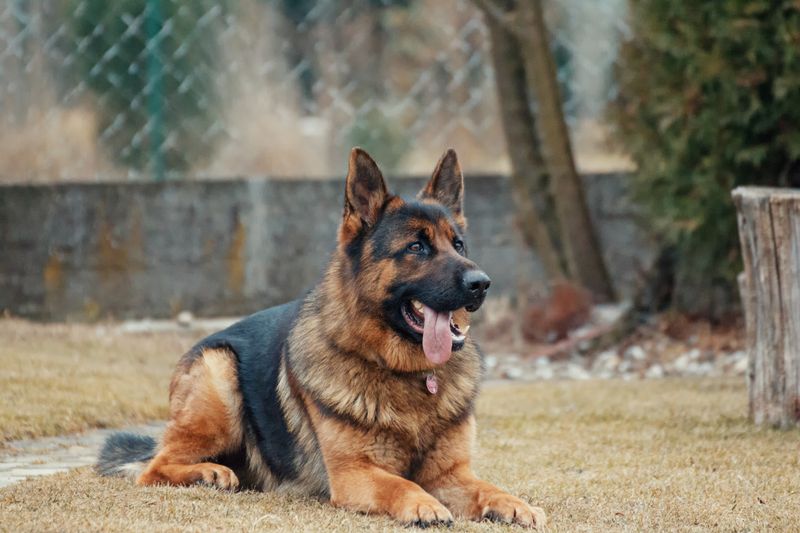

Canine hip dysplasia (CHD) is a widespread hereditary orthopedic condition characterized by abnormal coxofemoral joint laxity, subluxation, and debilitating secondary osteoarthritis. While famously prevalent in large and giant breeds such as German Shepherds, Golden Retrievers, Rottweilers, and Saint Bernards, hip dysplasia frequently strikes medium-sized dogs and mixed breeds as well. In severe juvenile or adult cases where medical management fails to relieve chronic pain, surgical intervention becomes mandatory. However, advanced surgical procedures such as Total Hip Replacement (THR) command staggering price tags—frequently between $6,500 and $9,500 per hip ($13,000 to $19,000 for bilateral replacement). In this 2026 guide, we explore how pet insurance covers hip dysplasia, examine mandatory waiting periods and age limits, compare surgical techniques, and detail which carriers offer the best hereditary coverage.
Table of Contents
- Pathophysiology and Surgical Solutions for Hip Dysplasia
- How Pet Insurance Underwrites Hip Dysplasia: The Hereditary Factor
- Waiting Periods and Age Caps: The Fine Print Traps
- Top Pet Insurance Providers for Hip Dysplasia in 2026
- Conservative Medical Management Coverage
- Strategic Recommendations for Pet Parents
Pathophysiology and Surgical Solutions for Hip Dysplasia
Understanding joint laxity, clinical symptoms, and modern orthopedic interventions.
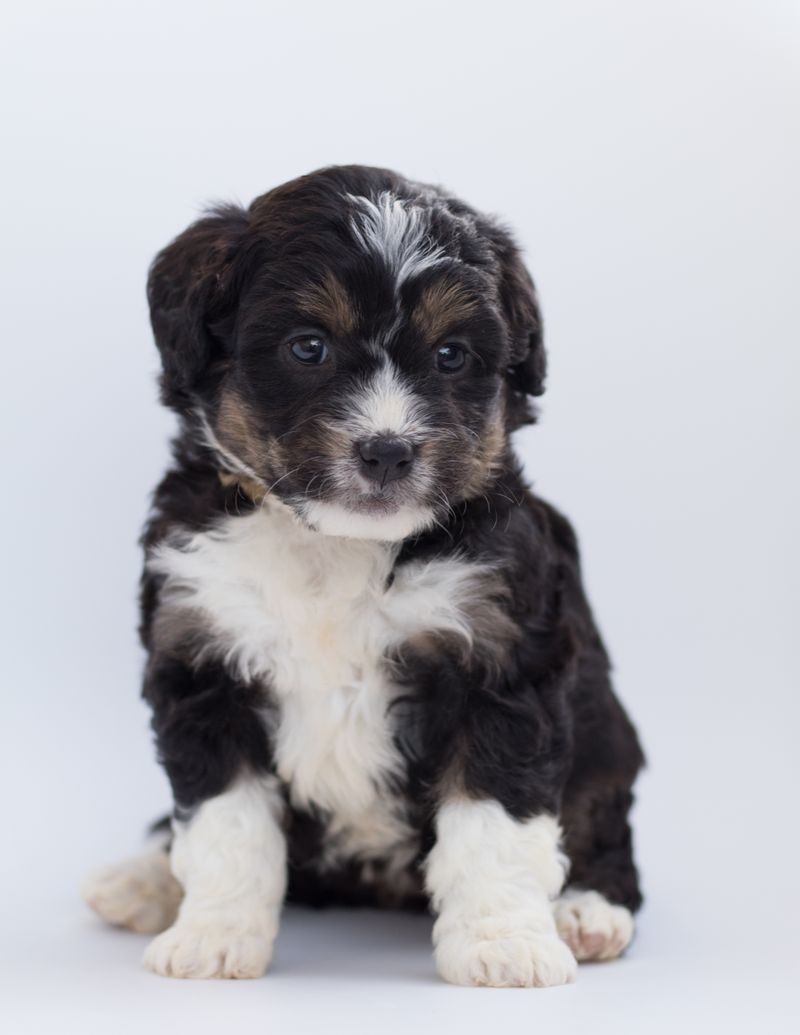
Figure 1: Pathophysiology and Surgical Solutions for Hip Dysplasia
The Biomechanics of Coxofemoral Subluxation
The healthy canine hip is a tight ball-and-socket synovial joint where the femoral head fits snugly into the acetabulum of the pelvis. In dysplastic dogs, genetic predisposition combined with rapid juvenile growth causes soft tissue laxity. The femoral head wobbles loosely within the socket, causing micro-fractures of the acetabular rim, cartilage erosion, and osteophyte production.
Owners observe a characteristic ‘bunny-hopping’ gait, reluctance to climb stairs, exercise intolerance, and atrophy of the hindquarter musculature. Diagnosis is confirmed through specialized PennHIP distraction radiographs (measuring joint laxity) or Orthopedic Foundation for Animals (OFA) ventrodorsal pelvic views taken under deep sedation or general anesthesia ($450 – $800).
Total Hip Replacement (THR) – The Definitive Solution ($6,500 – $9,500 per hip)
Total Hip Replacement is the gold standard surgical procedure for dogs with severe end-stage dysplasia. Performed by board-certified veterinary orthopedic surgeons, the procedure mirrors human hip replacement: the diseased femoral head and acetabulum are excised and replaced with state-of-the-art prosthetic titanium, cobalt-chromium, and ultra-high-molecular-weight polyethylene components (cemented or BFX cementless).
THR restores completely normal, pain-free biomechanical function in over 90% of canine patients.
Femoral Head Ostectomy (FHO) ($2,200 – $3,800 per hip)
FHO is a salvage procedure where the surgeon cuts off and removes the femoral head entirely, leaving the socket empty. The body forms a fibrous ‘false joint’ (pseudoarthrosis) over several months. While effective for pain relief in cats and small-to-medium dogs under 40 lbs, FHO produces less predictable functional outcomes in large athletic dogs compared to THR.
Juvenile Pubic Symphysiodesis (JPS) and Double Pelvic Osteotomy (DPO)
In very young puppies (under 18 weeks for JPS, or under 8 to 10 months for DPO), proactive preventive pelvic osteotomies can rotate the acetabulum to improve femoral head coverage before arthritis develops, costing $2,500 to $4,500.
How Pet Insurance Underwrites Hip Dysplasia: The Hereditary Factor
Why hip dysplasia is treated differently than sudden accidental trauma in insurance policies.
Figure 2: How Pet Insurance Underwrites Hip Dysplasia: The Hereditary Factor
Hereditary and Congenital Illness Riders
Historically, pet insurance carriers categorized hip dysplasia as an ‘inherent breed fault’ and excluded it entirely. Today, all leading comprehensive accident-and-illness policies cover hip dysplasia—PROVIDED the policy includes hereditary and congenital condition coverage.
However, budget or basic policies may still exclude hereditary conditions or impose low lifetime sub-limits (e.g., $1,000 maximum lifetime payout for hip dysplasia). Always verify that your policy has no hereditary condition exclusions.
The Pre-Existing Condition Barrier
Because hip dysplasia is a progressive, chronic disease, insurance adjusters scrutinize all medical records submitted with a hip claim. If your veterinarian noted ‘mild hip laxity’, ‘bunny-hopping gait’, ‘reluctance to jump’, or ‘decreased range of motion in hips’ during a physical exam prior to coverage or during the waiting period, all future hip dysplasia claims—including bilateral THR surgeries—will be permanently denied.
Waiting Periods and Age Caps: The Fine Print Traps
Analyzing the policy restrictions that can disqualify older dogs or delay coverage.
Figure 3: Waiting Periods and Age Caps: The Fine Print Traps
The Extended 6-to-12-Month Hip Waiting Period
Unlike standard illnesses that have a 14-day waiting period, many major pet insurers impose extended waiting periods specifically for hip dysplasia and orthopedic conditions:
– Healthy Paws: 12-Month Waiting Period for hip dysplasia (unless state regulations mandate shorter windows).
– Embrace: 6-Month Orthopedic Waiting Period (can be waived with an approved orthopedic exam).
– Pets Best: 6-Month Cruciate/Orthopedic Waiting Period.
– Trupanion: 30-Day Illness Waiting Period (no separate hip penalty!).
If your dog develops symptoms or is diagnosed with hip dysplasia on Day 170 under a 6-month waiting period, the condition becomes pre-existing forever.
Age Enrollment Caps for Hip Dysplasia Coverage
Some insurers impose strict age limits on hip dysplasia coverage:
– Healthy Paws Exclusion: Dogs enrolled at age six or older are PERMANENTLY EXCLUDED from hip dysplasia coverage for the life of the policy!
– Other Carriers: Allow enrollment at any age, but geriatric senior rates may be substantial.
If you own a large breed dog predisposed to hip dysplasia (Labrador, Golden Retriever, German Shepherd), enrolling them before their sixth birthday is a critical deadline.
Top Pet Insurance Providers for Hip Dysplasia in 2026
Evaluating which carriers provide the most favorable terms, highest limits, and shortest waiting periods.

Figure 4: Top Pet Insurance Providers for Hip Dysplasia in 2026
Trupanion: Best for Short Waiting Periods and Unlimited Caps
Trupanion ranks as a top choice for breeds prone to hip dysplasia:
– No Extended Hip Waiting Period: Hip dysplasia falls under the standard 30-day illness waiting period—not 6 or 12 months!
– Unlimited Payout: Crucial because bilateral THR surgeries routinely total $14,000 to $18,000.
– Per-Condition Deductible: You pay the deductible once for hip dysplasia; all subsequent surgeries, medications, and physical therapy are covered for the dog’s life at 90%.
Embrace: Best for Orthopedic Waiting Period Waivers
Embrace offers excellent hip dysplasia coverage:
– Orthopedic Waiver Form: You can take your puppy to your veterinarian within the first 30 days of coverage to complete an Orthopedic Exam. If the vet certifies healthy hips, the 6-month wait is waived immediately.
– Comprehensive Physical Therapy: Covers post-operative underwater treadmill hydrotherapy and laser therapy under the core plan.
Conservative Medical Management Coverage
How pet insurance covers lifelong pharmaceutical, joint supplement, and therapeutic regimens.

Figure 5: Conservative Medical Management Coverage
Lifelong NSAIDs, Monoclonal Antibodies, and Adequan Injections
For dogs that are not candidates for surgery, medical management spans many years:
– Monoclonal Antibody Injections (Librela / Bedinvetmab): Monthly nerve-growth-factor (NGF) inhibitor injections ($95 – $160/month) that revolutionize canine osteoarthritis pain relief.
– Polysulfated Glycosaminoglycan (Adequan) Injections: Disease-modifying osteoarthritis drug series ($350 initial series, $80/month maintenance).
– Prescription NSAIDs (Carprofen, Galliprant): $65 – $110/month.
– Prescription Joint Diets (e.g., Hill’s j/d, Purina JM): Covered by carriers that include prescription food riders (like Trupanion and Fetch).
Acupuncture, Chiropractic, and Physical Rehab
Integrative therapies provide substantial relief for dysplastic dogs with compensatory spine and shoulder pain. Modern comprehensive pet insurance covers veterinary acupuncture and chiropractic adjustments performed by certified veterinary practitioners.
Strategic Recommendations for Pet Parents
Actionable guidelines to safeguard your dog’s mobility and your household budget.
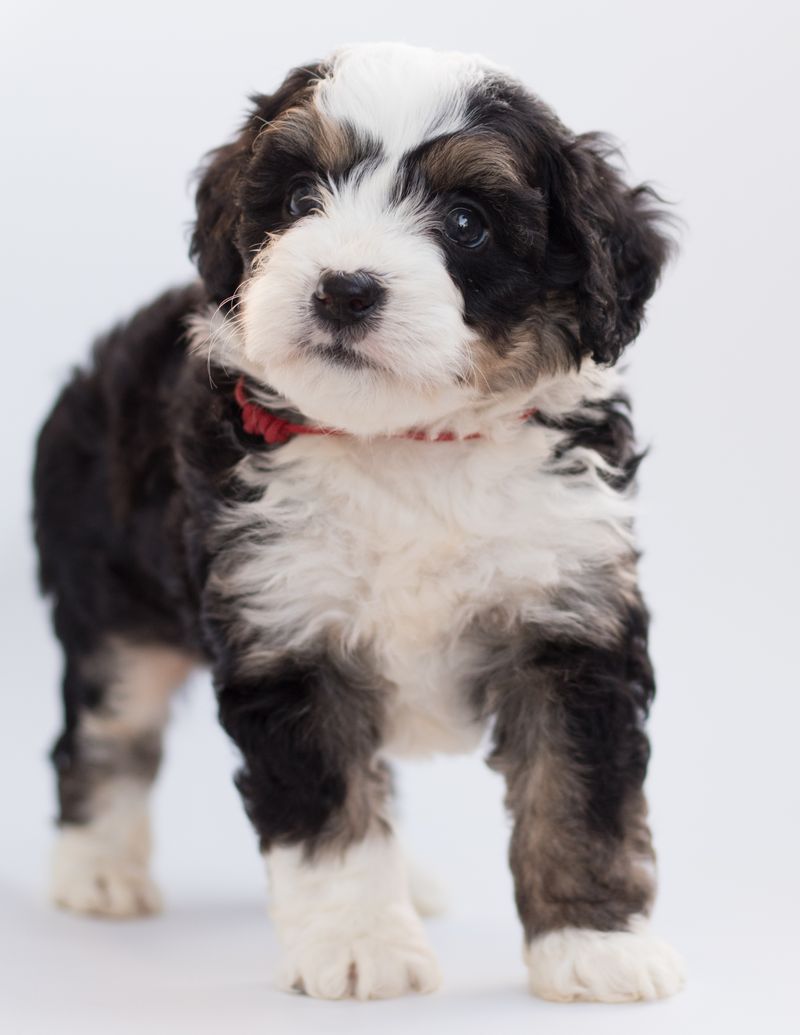
Figure 6: Strategic Recommendations for Pet Parents
Action Steps for Large-Breed Puppy Owners
1. Purchase Insurance at 8 to 12 Weeks: Never wait until your puppy exhibits gait abnormalities.
2. Demand an Unlimited or $15,000+ Annual Limit: A single hip replacement ($8,500) will exhaust a $5,000 annual cap instantly.
3. Check for Hip Age Exclusions: Ensure your policy does not drop or exclude hip coverage as the dog crosses age six.
4. Schedule the Orthopedic Waiver Exam Promptly: If using Embrace or similar carriers, submit the joint clearance exam within 30 days to close the waiting window.
2026 Hip Dysplasia Surgical & Medical Cost Comparison
| Treatment / Surgical Protocol | Average Cost (Per Hip) | Bilateral (Both Hips) | Primary Candidate Profile | Pet Insurance Coverage |
|---|---|---|---|---|
| Total Hip Replacement (THR) | $6,500 – $9,500 | $13,000 – $19,000 | Large, active dogs (>40 lbs) with severe arthritis | Covered (Subject to annual limit) |
| Femoral Head Ostectomy (FHO) | $2,200 – $3,800 | $4,400 – $7,600 | Small/medium dogs (<40 lbs) or budget constraints | Covered |
| Juvenile Pubic Symphysiodesis (JPS) | $1,800 – $3,000 | Bilateral naturally | Puppies under 18 weeks with confirmed laxity | Covered |
| Annual Medical Management (Librela/NSAIDs) | $1,400 – $2,600 / yr | Full body management | Senior dogs, mild cases, or non-surgical | Covered (Illness benefit) |
| Post-Op Physical Therapy / Hydrotherapy | $1,200 – $2,200 | Comprehensive | Post-THR or post-FHO rehabilitation | Covered by top-tier plans |
Source: Veterinary fee indices, NAPHIA benchmark reports, AVMA clinical studies, and 2026 actuarial underwriting rate filings.
Explore Related In-Depth Guides in This Silo:
- [[INTERLINK: Pet Insurance for Labrador Retrievers: Hip Dysplasia and Cruciate Tears]]
- [[INTERLINK: Pet Insurance for German Shepherds: Complete 2026 Health Risk Analysis]]
- [[INTERLINK: Cruciate Ligament Surgery Cost and Which Pet Insurance Covers It]]
- [[INTERLINK: Pet Insurance Waiting Periods Explained: What to Expect Before Coverage Starts]]
Frequently Asked Questions (FAQs)
Does pet insurance cover hip dysplasia surgery?
Yes, all major comprehensive pet insurance policies cover hip dysplasia surgeries—including Total Hip Replacement (THR) and Femoral Head Ostectomy (FHO)—provided the condition was not present, documented, or symptomatic before policy enrollment or during the designated orthopedic waiting period.
Why does Healthy Paws exclude hip dysplasia for dogs enrolled after age 6?
Healthy Paws enforces a specific underwriting restriction in their policy jacket stating that if a dog is enrolled at six years of age or older, hip dysplasia is permanently excluded from coverage. This protects their risk pool from senior large-breed dogs showing early signs of joint degeneration.
How long is the waiting period for hip dysplasia in pet insurance?
Waiting periods vary significantly by carrier. Trupanion has a standard 30-day illness waiting period with no separate hip delay. Embrace and Pets Best enforce a 6-month orthopedic waiting period (Embrace allows waivers with an exam). Healthy Paws enforces a 12-month waiting period for hip dysplasia.
How much does a Total Hip Replacement (THR) cost for a dog?
In 2026, a canine Total Hip Replacement costs between $6,500 and $9,500 per hip at specialized veterinary surgical centers. If both hips require replacement, the total surgical cost ranges from $13,000 to $19,000.
Can pet insurance cover Librela injections for hip dysplasia?
Yes. Librela (bedinvetmab) is an FDA-approved monoclonal antibody injection for canine osteoarthritis. Comprehensive pet insurance policies cover monthly Librela injections under their standard illness and prescription medication benefits.
Final Verdict: Making Smart Healthcare Decisions for Your Pet
Canine hip dysplasia is a devastating genetic condition that can cost upwards of $18,000 for bilateral Total Hip Replacement surgery. While modern pet insurance covers these advanced procedures, pet parents must navigate hazardous policy obstacles—including 12-month waiting periods, senior age enrollment cutoffs, and strict pre-existing condition rules. For large and giant breed dogs, enrolling during early puppyhood with a carrier offering high annual limits and short orthopedic waiting periods (such as Trupanion or Embrace) is essential to protect both your dog’s mobility and your financial security.