
 Por Kust Madera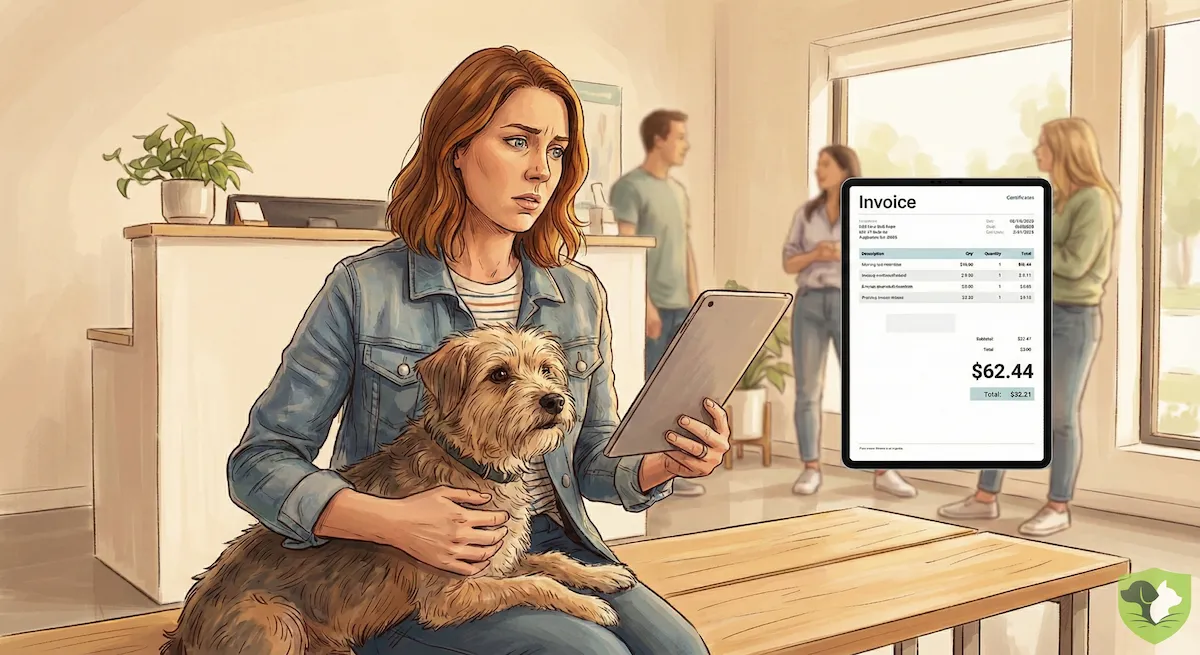

Evaluating whether is pet insurance worth it requires moving past marketing hype and examining hard actuarial data in 2026. With veterinary medical inflation outpacing general consumer CPI by more than 140% over the last decade, routine emergency surgeries now routinely generate invoices between $4,000 and $10,000. In this exhaustive data-driven breakdown, we compare lifetime premium outflows against real-world clinical claim reimbursements, helping you determine whether pet insurance acts as an essential financial backstop or an unnecessary monthly expense.
Table of Contents
- The Reality of Veterinary Inflation in 2026
- Lifetime Cost Analysis: Premiums vs Claim Probability
- Real-World Case Studies: Insured vs Uninsured Scenarios
- When Is Pet Insurance NOT Worth It?
- The Psychological Dividend: Eliminating Economic Euthanasia
- Key Takeaways: Who Gets the Highest ROI From Pet Insurance?
The Reality of Veterinary Inflation in 2026
Veterinary clinical fees have surged drastically due to corporate hospital consolidation, state-of-the-art diagnostic imaging, and higher pharmaceutical costs.

Figure 1: The Reality of Veterinary Inflation in 2026
The Shift Toward Advanced Veterinary Subspecialties
A decade ago, general practice veterinarians performed the vast majority of surgical interventions. In 2026, standard of care dictates referral to board-certified veterinary surgeons, veterinary oncologists, and critical care intensivists. While survival outcomes for acute trauma, complex cancer, and spinal emergencies have never been higher, specialized hospital care carries specialized hospital overhead.
A standard canine emergency involving septic peritonitis or trauma stabilization now requires 24-hour continuous vital sign monitoring, blood gas telemetry, and advanced ultrasound imaging, pushing daily intensive care unit fees past $2,500 per day.
Corporate Hospital Acquisitions and Price Restructuring
Over 35% of all companion animal veterinary hospitals in the United States are currently owned by private equity conglomerates and multinational veterinary corporations. This consolidation has introduced standardized, profit-optimized fee schedules. For uninsured pet guardians, the luxury of negotiating compassionate discounts with an independent local practitioner has largely vanished, rendering pre-existing insurance protection the primary firewall against catastrophic out-of-pocket bills.
Lifetime Cost Analysis: Premiums vs Claim Probability
Calculating whether insurance pays off over your pet’s complete life cycle requires weighing projected cumulative premiums against clinical claim probabilities.

Figure 2: Lifetime Cost Analysis: Premiums vs Claim Probability
The 12-Year Canine Financial Projection
Consider an average medium-sized dog enrolled at eight weeks of age with an initial monthly premium of $48. Assuming standard annual age-bracket escalations and baseline veterinary inflation of 6% annually, the total cumulative premiums paid over a 12-year lifespan will equal approximately $9,800 to $12,400. If your canine companion never suffers a serious disease or major orthopedic tear, that capital represents a net financial loss.
However, veterinary epidemiological studies indicate that one in three dogs will experience a life-threatening illness or major surgical trauma requiring urgent intervention before age ten. A single round of canine cancer therapy involving stereotactic radiation and chemotherapy protocols ranges from $8,000 to $15,000; a bilateral cranial cruciate ligament rupture requiring sequential TPLO surgeries costs $11,000. In either scenario, a comprehensive 80% or 90% reimbursement policy covers its entire lifetime cost in a single clinical episode.
The Feline Cost-Benefit Equation
Cats generally exhibit lower baseline accident rates than dogs, which is reflected in their significantly lower monthly premiums ($20 to $35 on average). Yet, senior cats face astonishingly high incidences of chronic kidney disease (CKD), diabetes mellitus, and feline lymphoma. Managing a diabetic cat or one requiring intensive fluid therapy and esophageal tube placement during an acute urethral obstruction can generate $4,500 to $7,000 in specialty bills within forty-eight hours.
Real-World Case Studies: Insured vs Uninsured Scenarios
Real clinical scenarios demonstrate the stark financial divergence between insured pet owners and those relying solely on savings accounts.

Figure 3: Real-World Case Studies: Insured vs Uninsured Scenarios
Case Study 1: The Foreign Body Ingestion Emergency
Cooper, a two-year-old Golden Retriever, ingested a silicone chew toy that lodged in his jejunum, causing severe mechanical obstruction and bowel ischemia. The emergency veterinary hospital performed an abdominal ultrasound ($650), emergency exploratory laparotomy with intestinal resection and anastomosis ($4,800), three days of continuous IV fluid support and pain telemetry ($2,400), and post-op diagnostics ($750), totaling $8,600.
Under an active 80% reimbursement policy with a $500 annual deductible, Cooper’s owner paid $500 deductible + $1,620 copay = $2,120 total out-of-pocket. The insurance company reimbursed $6,480 within five days. Without insurance, the owner would have had to liquidate emergency savings or incur high-interest credit debt.
Case Study 2: The Senior Feline Renal Crisis
Bella, an 11-year-old domestic shorthair, developed acute-on-chronic kidney injury requiring emergency hemodialysis and four days in a feline specialty intensive care unit. The total invoice was $6,900. With a 90% reimbursement policy and a $250 deductible, Bella’s guardian paid just $915 out of pocket, allowing her to authorize aggressive life-saving therapies without hesitation.
When Is Pet Insurance NOT Worth It?
Pet insurance is not universally beneficial for every animal or household situation; identifying poor-fit scenarios prevents wasted capital.

Figure 4: When Is Pet Insurance NOT Worth It?
Senior Pets With Extensive Pre-Existing Records
Enrolling an 11-year-old dog with pre-existing osteoarthritis, chronic heart murmurs, and past tumor removals rarely makes economic sense. Because pre-existing conditions are universally excluded from new policies, the insurer will deny all claims related to those organ systems while charging an exorbitantly high senior premium ($120 to $200+ per month). In such cases, self-funding via an earmarked high-yield savings account is vastly more economical.
Ultra-High Risk Tolerance and Large Cash Reserves
If your household possesses substantial liquid wealth (such as $20,000+ in liquid emergency reserves) and you are fully prepared to absorb an unexpected $8,000 veterinary charge without impacting your lifestyle or retirement plans, you may effectively self-insure. Pet insurance is fundamentally a risk-mitigation tool against financial ruin, not an investment fund.
The Psychological Dividend: Eliminating Economic Euthanasia
Beyond spreadsheets and actuarial math, the most profound value of pet insurance lies in removing financial despair from clinical medical decisions.

Figure 5: The Psychological Dividend: Eliminating Economic Euthanasia
Preventing Heartbreaking Triage Decisions
Veterinarians report that ‘economic euthanasia’—the tragic necessity of putting a treatable pet to sleep solely because the family cannot afford emergency medical care—remains one of the most agonizing dilemmas in modern clinical practice. When you are standing in an emergency examination room at 1:00 AM confronting a $6,000 surgical estimate, an active pet insurance policy ensures that the only question you have to ask the veterinarian is: ‘What gives my pet the highest quality of life and chance of survival?’
Preserving Family Relationships and Budgetary Peace
Medical crises frequently spark severe marital and family conflict over household spending limits during an emotional pet emergency. Knowing that 80% to 90% of the bill will be deposited back into your account eliminates agonizing household friction during already stressful medical emergencies.
Key Takeaways: Who Gets the Highest ROI From Pet Insurance?
Certain pet owners and animal demographics consistently extract the greatest financial and medical return on their insurance investment.

Figure 6: Key Takeaways: Who Gets the Highest ROI From Pet Insurance?
High-Risk Purebred Breeds
Breeds genetically prone to catastrophic orthopedic, respiratory, or neoplastic conditions (such as French Bulldogs, German Shepherds, Dachshunds, and Boxers) represent the highest potential claim return. Enrolling these breeds in early puppyhood before clinical signs manifest is almost guaranteed to yield net-positive payouts over their lifespans.
Young, Active Puppies and Outdoor Animals
Puppies lack environmental discernment, leading to staggering rates of foreign body ingestion, toxin exposure, and traumatic fractures. Securing coverage during their first year captures accidents at the lowest possible base premium rate.
Cost Comparison: Pet Insurance vs Dedicated Savings Account (10-Year Horizon)
| Scenario Parameter | Comprehensive Pet Insurance (80%) | Self-Insuring ($60/mo Savings) |
|---|---|---|
| 10-Year Cumulative Outflow | $6,500 – $8,500 (in premiums) | $7,200 (in liquid cash) |
| Year 2: Foreign Body Surgery ($5,000) | You Pay: $1,250 | Saved: $3,750 | Account Balance: $1,440 | Shortfall: -$3,560 |
| Year 6: Cruciate Ligament Tear ($6,000) | You Pay: $1,450 | Saved: $4,550 | Account Balance Depleted | Must Borrow: -$6,000 |
| Year 9: Cancer Chemotherapy ($10,000) | You Pay: $2,250 | Saved: $7,750 | Catastrophic Financial Strain |
| Net Protection Level | Up to $50,000+ or Unlimited | Strictly Capped at Current Balance |
Source: Industry benchmarks, actuarial claim filings, and veterinary provider fee indices (2026 data analysis).
Explore Related In-Depth Guides in This Silo:
Frequently Asked Questions (FAQs)
Is pet insurance really worth it for an indoor cat?
Yes. While indoor cats avoid outdoor trauma like car accidents and cat fights, they are highly susceptible to acute urinary blockages (costing $3,000 to $6,000), chronic kidney disease, feline diabetes, and foreign body ingestion (like hair ties, string, and toxic house plants).
Do most pet owners actually save money with insurance?
Insurance is not designed to be a profitable investment; it is a financial backstop against catastrophic four- and five-figure veterinary losses. Roughly 30% to 40% of insured pets experience a major medical catastrophe that pays out far more than their lifetime premiums, while all policyholders gain peace of mind.
Can I cancel my pet insurance policy if I don’t use it?
Yes, pet insurance policies operate on a month-to-month or annual renewal basis and can be cancelled at any time without penalty. However, any conditions diagnosed while covered will be deemed pre-existing if you decide to re-enroll later.
At what pet age does insurance stop being cost-effective?
Enrolling a pet over 9 or 10 years of age often results in very high monthly premiums ($120+ for dogs) and extensive pre-existing condition exclusions. Pet insurance is most cost-effective when bound between 8 weeks and 5 years of age.
Final Verdict: Taking the Next Logical Step for Your Pet
Securing comprehensive pet insurance is never about gambling on whether an accident will happen—it is about purchasing total medical freedom. When catastrophic trauma, cancer, or genetic disorders strike, having an active policy with a verified reimbursement mechanism ensures that your clinical decisions are driven by love and veterinary science rather than your bank account balance.
Before binding coverage, request a full medical record review from your prospective underwriter to identify any documented conditions that might trigger pre-existing condition exclusions, and compare personalized quotes across multiple reputable carriers.