
 Por Kust Madera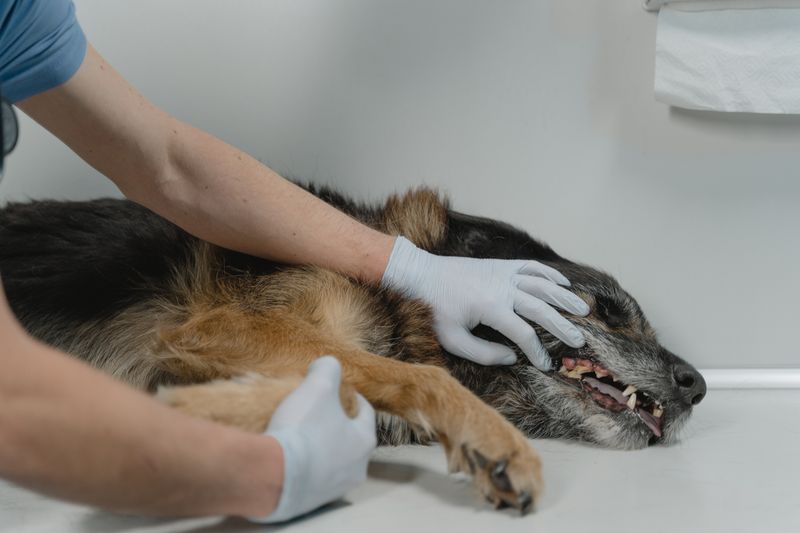

A veterinary cancer diagnosis is one of the most heartbreaking moments a pet owner can endure. Neoplasia affects one in four dogs and one in five cats across their lifetimes, rising to nearly 50% in canines over the age of ten. Fortunately, modern veterinary oncology has advanced dramatically, mirroring human medicine with cutting-edge protocols including stereotactic radiation therapy (SRT), targeted tyrosine kinase inhibitors (Palladia), immunotherapy vaccines, and surgical surgical margins. However, these advanced oncological treatments come with extraordinary financial costs, frequently ranging from $6,000 to over $18,000. In this 2026 guide, we examine how pet insurance covers cancer therapies, dissect clinical waiting periods and pre-existing condition rules, provide a detailed state-by-state cost breakdown, and evaluate which carriers offer the most robust oncological protections.
Table of Contents
- How Pet Insurance Covers Cancer Diagnostics and Treatments
- State-by-State Look at Veterinary Oncology Costs in 2026
- Critical Policy Fine Print: Pre-Existing Lumps and Waiting Periods
- Experimental Treatments, Immunotherapy, and Clinical Trials
- Top Pet Insurance Providers for Cancer Coverage in 2026
- Palliative and End-of-Life Care Considerations
How Pet Insurance Covers Cancer Diagnostics and Treatments
Understanding the scope of coverage under standard accident-and-illness companion animal policies.

Figure 1: How Pet Insurance Covers Cancer Diagnostics and Treatments
Diagnostic Workup and Staging Coverage
Before an oncologist can formulate a treatment plan, extensive diagnostic staging is required to determine tumor grade, histopathological classification, and metastatic spread:
– Fine Needle Aspirate (FNA) and Cytology: $180 – $350
– Incisional / Tru-Cut Biopsy and Histopathology: $650 – $1,200
– Computed Tomography (CT) or Magnetic Resonance Imaging (MRI): $1,800 – $3,200
– 3-View Thoracic Radiographs and Abdominal Ultrasound: $600 – $950
– Bone Marrow Aspirate or Flow Cytometry (for Lymphoma): $450 – $800
Comprehensive pet insurance policies cover 100% of these diagnostic and staging procedures (subject to your standard deductible and co-pay), provided the symptoms or lumps were not documented prior to enrollment or during the policy’s illness waiting period.
Therapeutic Modalities: Chemotherapy, Radiation, and Surgery
Once staged, cancer treatment generally combines surgical resection, chemotherapy, and radiation:
– Surgical Excision: Broad surgical margins, radical mastectomy, amputation, or mandibulectomy ($2,500 – $6,500).
– Intravenous Chemotherapy Protocols (e.g., CHOP protocol for canine lymphoma): 12 to 25 weeks of systemic infusions including doxorubicin, vincristine, and cyclophosphamide ($3,500 – $7,000).
– Advanced Radiation Therapy: Stereotactic Radiation Therapy (SRT) delivering high-dose, sub-millimeter precision radiation in 1 to 3 sessions ($6,500 – $12,000).
– Oral Targeted Chemotherapy: Tyrosine kinase inhibitors like toceranib phosphate (Palladia) costing $350 to $600 per month.
– Supportive and Palliative Care: Antiemetics (Cerenia), pain management, appetite stimulants, and nutritional support ($150 – $300/month).
Leading pet insurance carriers—including Trupanion, Healthy Paws, Embrace, Fetch, and Pets Best—cover all FDA-approved and veterinary-prescribed oncology modalities without arbitrary sub-limits, provided you maintain an adequate annual limit.
State-by-State Look at Veterinary Oncology Costs in 2026
Geographic location drastically dictates the pricing of specialized tertiary cancer care.

Figure 2: State-by-State Look at Veterinary Oncology Costs in 2026
Northeast and Mid-Atlantic Region (NY, MA, NJ, PA)
Metropolitan centers in the Northeast feature some of the highest veterinary fee schedules in the world due to specialized academic veterinary teaching hospitals (e.g., AMC New York, Penn Vet, Tufts):
– Complete Diagnostic Staging (CT + Biopsy): $3,200 – $4,500
– Full 19-Week CHOP Chemotherapy: $5,500 – $8,200
– Stereotactic Radiation Therapy (SRT): $9,500 – $15,000
– Total Average Course of Cancer Therapy: $12,000 – $22,000
West Coast and Pacific Northwest (CA, WA, OR)
Specialty oncology facilities across the West Coast command comparable high-tier pricing:
– Complete Diagnostic Staging: $2,800 – $4,200
– Full Chemotherapy Protocol: $5,200 – $7,800
– Stereotactic Radiation Therapy: $8,800 – $14,500
– Total Average Course of Cancer Therapy: $11,500 – $20,000
Midwest, South, and Mountain West (OH, TX, FL, NC, CO)
Regional specialty centers and veterinary colleges (e.g., Texas A&M, Ohio State, UF Vet Med) offer slightly lower overhead fee schedules:
– Complete Diagnostic Staging: $1,900 – $2,900
– Full Chemotherapy Protocol: $3,500 – $5,400
– Stereotactic Radiation Therapy: $6,500 – $10,500
– Total Average Course of Cancer Therapy: $7,500 – $14,000
Critical Policy Fine Print: Pre-Existing Lumps and Waiting Periods
Understanding the exclusions that cause cancer claims to be denied.

Figure 3: Critical Policy Fine Print: Pre-Existing Lumps and Waiting Periods
The ‘Undiagnosed Lump’ Pre-Existing Condition Trap
The most common reason for cancer claim denials is the presence of an undiagnosed lump or clinical sign prior to policy enrollment or during the 14-day illness waiting period.
If your veterinarian noted ‘small 1cm subcutaneous mass on flank; monitor at next visit’ in your dog’s chart six months before you bought insurance, any subsequent mast cell tumor or sarcoma that arises—even if biopsied two years later—will be classified as a pre-existing condition and permanently denied. To protect against this, never let your veterinarian document ‘monitor lumps’ without getting them biopsied and cleared, and buy insurance while your pet is young and symptom-free.
Illness Waiting Periods and Specialized Oncology Riders
Virtually all pet insurance policies enforce a 14-day waiting period for illnesses, including cancer. If a pet exhibits lethargy, unexplained weight loss, lymphadenopathy, or palpable masses during these first 14 days, all associated oncological treatments will be excluded.
Furthermore, beware of budget policies that impose restrictive ‘Cancer Sub-Limits’—capping cancer payouts at $1,500 or $2,500 per lifetime. Always select a carrier that includes cancer within the primary annual limit ($10,000 to Unlimited).
Experimental Treatments, Immunotherapy, and Clinical Trials
Navigating coverage for novel oncological therapies and emerging cancer vaccines.

Figure 4: Experimental Treatments, Immunotherapy, and Clinical Trials
Canine Cancer Vaccines (e.g., Melanoma Vaccine Oncept)
The USDA-approved Oncept melanoma vaccine is an innovative DNA immunotherapy designed to prolong survival times in canines with stage II or III oral malignant melanoma. A four-dose initial induction series costs $2,800 to $4,200, followed by booster injections every six months ($600 each).
Top-tier carriers (Trupanion, Embrace, Figo, Spot) cover Oncept because it is a licensed veterinary biologic. However, budget carriers that exclude ‘immunotherapies’ or ‘novel biologics’ may deny these vital treatments.
Clinical Trials and Compassionate Use Drugs
Veterinary academic institutions frequently enroll patients in clinical trials evaluating novel targeted inhibitors or CAR-T cell therapies. As a rule, commercial pet insurance does not reimburse experimental drugs provided within clinical trials. However, the associated supportive care—including hospital bed days, IV fluids, antiemetics, and monitoring bloodwork—remains fully reimbursable under standard policy terms.
Top Pet Insurance Providers for Cancer Coverage in 2026
Evaluating which carriers provide the highest limits and most comprehensive oncology terms.

Figure 5: Top Pet Insurance Providers for Cancer Coverage in 2026
Trupanion: Unlimited Payouts and Direct Vet Payment
Trupanion is widely considered an industry leader for oncological care:
– Unlimited Lifetime Payouts: No annual maximum or lifetime caps, which is crucial for cancer protocols that span multiple policy years and exceed $15,000.
– Per-Condition Lifetime Deductible: Once your deductible is met for that specific cancer diagnosis (e.g., Osteosarcoma), you never pay another deductible for that cancer, even if treatment continues for three years.
– Direct Vet Pay: Directly reimburses oncology centers at discharge, sparing owners from floating $8,000+ on personal credit.
Embrace: Exam Fees Included and Flexible Limits
Embrace offers excellent oncology benefits:
– Exam Fees Covered: Specialty oncology consultation fees ($220 – $350 per visit) are covered under the core policy.
– Diminishing Deductible: Rewards healthy years by lowering your deductible, reducing upfront out-of-pocket costs when a diagnosis occurs.
– Up to $15,000 or Unlimited Annual Caps: Provides sufficient headroom for complex chemotherapy and surgery.
Palliative and End-of-Life Care Considerations
Ensuring compassionate, pain-free senior transitions are supported by your policy.

Figure 6: Palliative and End-of-Life Care Considerations
In-Home Hospice and Palliative Pain Management
When curative therapy is no longer viable, veterinary palliative hospice focuses on comfort, dignity, and quality of life. Insurers cover palliative medications (gabapentin, tramadol, amantadine, subcutaneous fluids, and appetite stimulants). Some policies also reimburse for certified veterinary hospice consultations ($250 – $450).
Humane Euthanasia and Cremation Benefits
Virtually all major pet insurance policies cover humane veterinary euthanasia when recommended by a licensed clinician to alleviate suffering. In-clinic or peaceful in-home euthanasia services ($250 – $550) are reimbursable. Note that private cremation services and memorial urns are generally excluded unless the policyholder has selected a specialized end-of-life rider.
2026 Regional Cost Breakdown of Common Canine Cancer Treatments
| Cancer Type & Clinical Protocol | Northeast (NY/MA) | West Coast (CA/WA) | Midwest / South (TX/OH/FL) | Expected Insurer Payout (90% Plan) |
|---|---|---|---|---|
| Canine Lymphoma (19-Week CHOP Chemo) | $6,500 – $8,500 | $6,000 – $8,000 | $4,200 – $6,000 | $4,500 – $7,400 |
| Mast Cell Tumor (Excision + Margins) | $3,200 – $5,000 | $3,000 – $4,600 | $2,200 – $3,600 | $2,400 – $4,250 |
| Brain Meningioma (Stereotactic Radiation) | $11,000 – $16,000 | $10,500 – $15,000 | $8,500 – $12,500 | $9,200 – $14,150 |
| Osteosarcoma (Amputation + Carboplatin) | $5,800 – $8,200 | $5,500 – $7,800 | $3,800 – $5,800 | $4,300 – $7,100 |
| Palliative Care & Monthly Pain Medication | $250 – $450 / mo | $220 – $400 / mo | $160 – $300 / mo | $180 – $380 / mo |
Source: Veterinary fee indices, NAPHIA benchmark reports, AVMA clinical studies, and 2026 actuarial underwriting rate filings.
Explore Related In-Depth Guides in This Silo:
- [[INTERLINK: What Does Pet Insurance Actually Cover? Comprehensive Coverage Guide]]
- [[INTERLINK: Pet Insurance Waiting Periods Explained: What to Expect Before Coverage Starts]]
- [[INTERLINK: Pet Insurance for Pre-Existing Conditions: The Definitive Guide]]
- [[INTERLINK: How Much Does a $5,000 Vet Bill Actually Cost Without Insurance?]]
Frequently Asked Questions (FAQs)
Does pet insurance cover chemotherapy for cats and dogs?
Yes. Every major pet insurance company that offers an accident-and-illness plan covers chemotherapy, radiation, immunotherapy, and surgical tumor removal, provided the cancer is not deemed a pre-existing condition before enrollment or during the 14-day waiting period.
Will pet insurance drop my pet or raise my rates after a cancer diagnosis?
No. Pet insurance carriers are legally prohibited by state insurance regulations from canceling an active policy or singling out your individual pet for rate increases due to filing claims. While your premiums will adjust annually based on demographic inflation, you cannot be dropped for developing cancer.
Can I buy pet insurance after my dog has been diagnosed with cancer?
You can purchase a policy, but the cancer—and all related conditions, symptoms, and future recurrences—will be permanently excluded as a pre-existing condition. The policy will only cover unrelated future accidents (e.g., broken bones, lacerations) or new unrelated illnesses.
How much does canine stereotactic radiation therapy (SRT) cost?
Stereotactic radiation therapy delivered at specialized tertiary veterinary facilities typically costs between $8,500 and $15,000 depending on the geographic location, imaging requirements (CT/MRI), and number of fractions required.
Is there a specific waiting period for cancer in pet insurance policies?
Most pet insurance policies classify cancer under their standard 14-day illness waiting period. However, a few budget policies have extended 30-day or 6-month waiting periods for specific conditions. Always check your policy declarations page.
Final Verdict: Making Smart Healthcare Decisions for Your Pet
Cancer treatment represents the quintessential reason to carry comprehensive pet insurance. With modern veterinary oncology achieving remission rates of 75% to 90% for conditions like lymphoma, pet owners are no longer forced to accept immediate defeat—provided they have the financial resources to pay for chemotherapy and advanced radiation. With out-of-pocket costs routinely exceeding $10,000, enrolling your pet in an unlimited or high-limit policy before any suspicious lumps or symptoms arise is the single best investment you can make in their future healthcare.