
 Por Kust Madera

For cat owners whose felines spend their entire lives safely enclosed within apartment walls or suburban homes, purchasing pet health insurance often feels counterintuitive. ‘My cat never steps foot outside,’ the reasoning goes. ‘They will never be hit by a car, get attacked by a stray dog, or catch rabies—why pay monthly premiums for an animal that sleeps twenty hours a day in a sunbeam?’ While the logic seems intuitive, veterinary emergency statistics tell a dramatically different financial story. More than 85% of catastrophic feline veterinary invoices originate not from outdoor traumatic accidents, but from internal metabolic failures, genetic anatomical blockages, ingested linear foreign bodies, oral resorptive lesions, and aggressive oncological diseases that occur entirely indoors. In this definitive 2026 financial analysis, we model the lifetime mathematical return on investment (ROI) of cat insurance, evaluate real veterinary medical emergencies, and provide a decision framework to determine whether insuring your indoor feline is financially rational.
Table of Contents
- The Mathematical Model: Lifetime Insurance Costs vs. Self-Funding
- The Real High-Cost Medical Threats Facing Indoor Cats
- Comparative Financial Scenarios: Real Feline Invoices Analyzed
- When Is Cat Insurance NOT Worth It for an Indoor Cat?
- The Emotional Value: Eliminating Economic Euthanasia
- The Verdict: How to Get Maximum Value from Indoor Cat Insurance
The Mathematical Model: Lifetime Insurance Costs vs. Self-Funding
Analyzing the hard numbers of monthly premiums against a dedicated emergency savings account.
Figure 1: The Mathematical Model: Lifetime Insurance Costs vs. Self-Funding
Total Lifetime Insurance Investment Over 15 Years
To evaluate whether pet insurance is financially worth it for an indoor cat, we must model realistic lifetime premium cash flows. In 2026, a comprehensive accident-and-illness policy for a healthy 1-year-old Domestic Shorthair ($250 annual deductible, 80% reimbursement, $10,000 annual limit) starts at approximately $18 to $22 per month.
Factoring in actuarial premium adjustments as the feline ages (averaging 6% to 10% annually after age 7), total cumulative premium payments over a cat’s 15-year lifespan total approximately:
– Ages 1 to 5: $20/month = $1,200 total
– Ages 6 to 10: $32/month = $1,920 total
– Ages 11 to 15: $58/month = $3,480 total
Total 15-Year Cumulative Premium Outlay: Approximately $6,600.
For this $6,600 investment, the policyholder transfers up to $150,000 in aggregate financial risk ($10,000 annual limit x 15 years) to the insurance underwriter.
The Self-Funding High-Yield Savings Account Trap
Many pet parents believe they can self-insure by depositing $20 to $30 per month into a high-yield savings account (yielding 4.5% APY). Let us analyze what happens under this self-funding model:
– After Year 1: Savings balance = $245.
– After Year 2: Savings balance = $502.
– After Year 3: Savings balance = $770.
Now consider the clinical reality: male indoor cats suffer acute urethral obstructions most frequently between 2 and 4 years of age. A foreign body ingestion (swallowing dental floss, rubber bands, or toy feathers) peaks during playful young adulthood (ages 1 to 3). If your 2.5-year-old indoor cat suffers a life-threatening urethral blockage requiring emergency desobstruction and ICU care costing $4,500, your self-funding savings account holds roughly $650. You face an immediate $3,850 cash deficit. Self-insuring fails during early life because the savings balance has had insufficient time to accumulate compound interest before catastrophe strikes.
The Real High-Cost Medical Threats Facing Indoor Cats
Indoor confinement does not protect against feline genetic, urinary, and gastrointestinal vulnerabilities.
Figure 2: The Real High-Cost Medical Threats Facing Indoor Cats
Emergency Urethral Obstruction (‘Blocked Cat’)
Feline Lower Urinary Tract Disease (FLUTD) leading to acute urethral obstruction is the single most common four-figure emergency treated in feline emergency rooms. Indoor lifestyle factors—including low moisture intake from dry kibble diets, lack of vertical territory, litter box stress, and physical inactivity—trigger feline idiopathic cystitis and crystalline matrix plugs that wedge inside the narrow penile urethra.
Without immediate emergency catheterization, potassium levels spike, causing fatal cardiac arrest within 48 hours. Emergency hospital stabilization, closed Foley catheterization, IV fluid diuresis, and biochemical monitoring cost $2,500 to $4,500. If the cat re-blocks, Perineal Urethrostomy (PU) surgery costs an additional $3,800 to $6,500. A single blocked episode exceeds 60% to 100% of an entire lifetime’s worth of insurance premiums.
Linear Foreign Body Ingestions from Domestic Items
Indoor environments are filled with domestic hazards: sewing thread, hair ties, dental floss, holiday tinsel, rubber bands, plastic wrappers, and curtain cords. Due to backward-facing tongue papillae, once a curious indoor cat begins chewing a string, they cannot spit it out.
When swallowed, linear foreign bodies cause severe intestinal plication and mesenteric perforation, leading to septic peritonitis. Emergency abdominal ultrasound, surgical enterotomy, and intensive post-op ICU care range from $3,800 to $7,500. A cat that ingests a piece of dental floss at 2 years old can incur a veterinary bill that wipes out years of savings instantly.
The Senior Chronic Inevitability: Kidneys, Thyroid, and Cancer
Even if your indoor cat avoids urinary blockages and string ingestion during youth, advancing age brings predictable metabolic failures:
– Chronic Kidney Disease (CKD): Affects over 35% of cats over 8 years old. Staging, quarterly blood panels, and subcutaneous fluid therapy cost $1,500 to $3,200 annually.
– Feline Hyperthyroidism: Over 10% of senior cats develop hyperthyroidism. Curative Radioiodine (I-131) therapy costs $2,200 to $4,200.
– Alimentary Lymphoma: Gastrointestinal lymphoma staging and oral/injectable chemotherapy cost $3,500 to $7,000.
When an insured indoor cat reaches senior age, insurance reimburses 80% to 90% of these inevitable chronic expenses.
Comparative Financial Scenarios: Real Feline Invoices Analyzed
Comparing the financial outcomes of insured vs. uninsured indoor cats facing identical medical crises.
Figure 3: Comparative Financial Scenarios: Real Feline Invoices Analyzed
Scenario 1: The Healthy Youth With a Single Mid-Life Emergency
Consider an indoor cat named Jasper who experiences zero medical issues until age 4, when he suffers an acute emergency urinary blockage ($4,200). At age 9, he requires surgical extraction of four resorptive teeth ($1,800). Total medical costs: $6,000.
Uninsured Owner: Pays $6,000 completely out of pocket.
Insured Owner (Lemonade Policy at $18/mo, $250 deductible, 80% reimbursement):
– Paid in premiums over 9 years: $2,200.
– Claim 1 (Blockage): Insurer pays $3,160. Owner pays $1,040.
– Claim 2 (Dental Extractions): Insurer pays $1,240. Owner pays $560.
– Net Out-of-Pocket for Owner: $2,200 premiums + $1,600 co-pays/deductibles = $3,800.
Financial Benefit: The insured owner saved $2,200 in net cash and never had to come up with $4,200 in a single afternoon.
Scenario 2: The Complex Senior Feline Healthcare Journey
Consider an indoor cat named Lily who lives to age 16. At age 11, she is diagnosed with hyperthyroidism and undergoes I-131 radiation ($3,400). At age 13, she develops Stage 2 CKD and osteoarthritis, requiring blood tests, sub-Q fluids, and monthly Solensia injections ($2,400/year for 3 years = $7,200). Total medical costs: $10,600.
Uninsured Owner: Pays $10,600 out of pocket.
Insured Owner (Pets Best Policy at $24/mo average, $250 deductible, 90% reimbursement):
– Total lifetime premiums paid: $5,200.
– Insurance reimbursements paid to owner: $8,820.
Financial Benefit: The insured owner saved $3,620 in net cash, but more importantly, Lily received gold-standard curative cancer radiation and pain-free arthritis therapy that an uninsured owner might have declined due to cost.
When Is Cat Insurance NOT Worth It for an Indoor Cat?
Objectively evaluating scenarios where purchasing pet insurance may not make financial sense.
Figure 4: When Is Cat Insurance NOT Worth It for an Indoor Cat?
Insuring an Elderly Cat (12+ Years Old) With Existing Conditions
If you adopt or own an indoor cat that is already 12 or 14 years old and has documented veterinary records showing kidney disease, elevated liver enzymes, or diabetes, purchasing a new insurance policy is generally not cost-effective.
Monthly premiums for newly enrolled geriatric cats often exceed $75 to $120 per month, and all pre-existing chronic conditions will be strictly excluded. In this specific scenario, establishing a dedicated liquid emergency fund is financially superior to paying high monthly premiums for limited accident-only coverage.
Owners With Substantial Liquid Emergency Reserves ($10,000+)
Pet insurance is a risk-transfer mechanism designed to prevent financial catastrophe and clinical ‘economic euthanasia.’ If you possess substantial liquid emergency savings and would comfortably write a $5,000 or $8,000 check at 2:00 AM without financial distress, you are a natural candidate for self-insuring.
However, even high-net-worth cat owners frequently purchase high-deductible ($500 to $1,000) catastrophic policies simply to protect against worst-case multi-day intensive care hospitalizations.
The Emotional Value: Eliminating Economic Euthanasia
The greatest benefit of pet insurance is peace of mind during devastating medical crises.
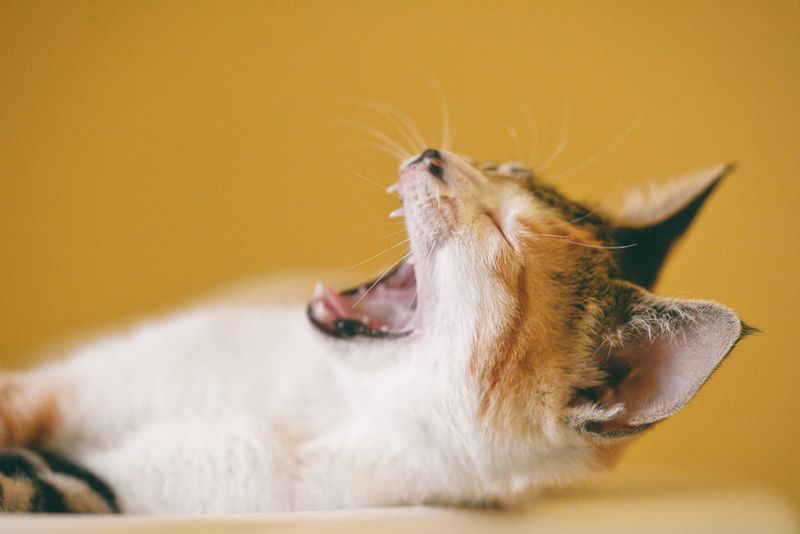
Figure 5: The Emotional Value: Eliminating Economic Euthanasia
The 2:00 AM Emergency Room Dilemma
Veterinary emergency clinicians routinely witness the heartbreaking reality of ‘economic euthanasia’—the agonizing decision to humanely euthanize a treatable, curable animal solely because the family cannot afford a $4,000 or $6,000 emergency medical invoice.
When an emergency veterinarian presents an estimate for a blocked cat or foreign body removal, an insured pet parent can say ‘do whatever it takes’ without calculating their personal debt or maxing out high-interest credit cards. That psychological freedom is the true intangible return on investment.
The Verdict: How to Get Maximum Value from Indoor Cat Insurance
Follow these optimization guidelines to make indoor cat insurance overwhelmingly cost-effective.
Figure 6: The Verdict: How to Get Maximum Value from Indoor Cat Insurance
Enroll Between 8 Weeks and 2 Years of Age
The mathematical ROI of cat insurance is maximized when enrolled early. Monthly premiums are at their lowest ($15 to $20/month), and your cat’s medical record is completely free of pre-existing exclusions, securing lifetime coverage for future urinary, renal, and oncology issues.
Select a High Deductible ($500) and 80% Reimbursement
Do not pay inflated premiums for low $100 deductibles. Choosing a $500 deductible and 80% reimbursement keeps your monthly payment minimal while providing robust protection against three-figure and four-figure emergencies.
Cat Insurance Mathematical ROI: Cost-Benefit Analysis (2026)
| Feline Health Scenario | Average Vet Treatment Cost | Cost Without Insurance | Cost With Insurance (80% / $250 Ded) | Net Financial Savings |
|---|---|---|---|---|
| Emergency Urethral Obstruction (3-day ICU) | $4,200 | $4,200 out-of-pocket | $1,040 out-of-pocket | $3,160 Net Payout |
| Linear Foreign Body Surgery (Intestinal Resection) | $5,800 | $5,800 out-of-pocket | $1,360 out-of-pocket | $4,440 Net Payout |
| Radioiodine I-131 Therapy for Hyperthyroidism | $3,200 | $3,200 out-of-pocket | $840 out-of-pocket | $2,360 Net Payout |
| High-Rise Fall (Jaw Fracture & Diaphragmatic Hernia) | $6,500 | $6,500 out-of-pocket | $1,500 out-of-pocket | $5,000 Net Payout |
| Chronic Kidney Disease (First Year Staging & Care) | $2,800 | $2,800 out-of-pocket | $760 out-of-pocket | $2,040 Net Payout |
Source: Veterinary clinical fee indices, American Kennel Club (AKC), Cat Fanciers’ Association (CFA), and actuarial claims databases (2026 data analysis).
Explore Related In-Depth Guides in This Silo:
Frequently Asked Questions (FAQs)
Is cat insurance really worth it for an indoor cat that never goes outside?
Yes. Over 85% of high-cost feline veterinary emergencies occur indoors, including urinary blockages ($3,000 – $5,000), string/thread foreign body ingestions ($4,000 – $7,000), kidney failure, diabetes, and cancer. Because cat insurance is cheap ($16 – $24/month), a single emergency often pays for 8 to 12 years of premiums.
What is the average monthly cost of pet insurance for an indoor cat?
In 2026, comprehensive accident-and-illness coverage for a healthy indoor cat ranges from $16 to $28 per month on average for an 80% reimbursement policy with a $250 to $500 annual deductible.
Can’t I just save $25 a month in a savings account instead?
Self-insuring via savings works only if your cat has no emergencies for the first 8 to 10 years. If your 2-year-old cat swallows a hair tie or suffers a urinary blockage costing $4,500, your savings account will hold under $700, leaving you with an immediate $3,800 deficit.
Does indoor cat insurance cover dental cleaning and extractions?
Routine preventative cleanings require an optional wellness add-on rider ($10 – $18/month). However, medically necessary surgical tooth extractions for painful feline odontoclastic resorptive lesions (FORLs) and severe periodontal disease are covered under top accident-and-illness plans like Pets Best and Spot.
At what age does it stop being worth getting pet insurance for a cat?
If a cat is over 11 or 12 years old and already has documented chronic illnesses (like kidney failure or diabetes), purchasing a new policy is generally not cost-effective due to high premiums ($70 – $120/mo) and pre-existing condition exclusions. Pet insurance is most cost-effective when purchased before age 7.
Final Verdict: Making Smart Healthcare Decisions for Your Pet
Securing comprehensive pet health insurance before hereditary, congenital, or chronic conditions manifest is the single most effective financial strategy for pet parents. Enrolling early guarantees that diagnostic imaging, advanced surgical suites, and lifelong prescription therapies remain fully accessible when emergencies strike.