
 Por Kust Madera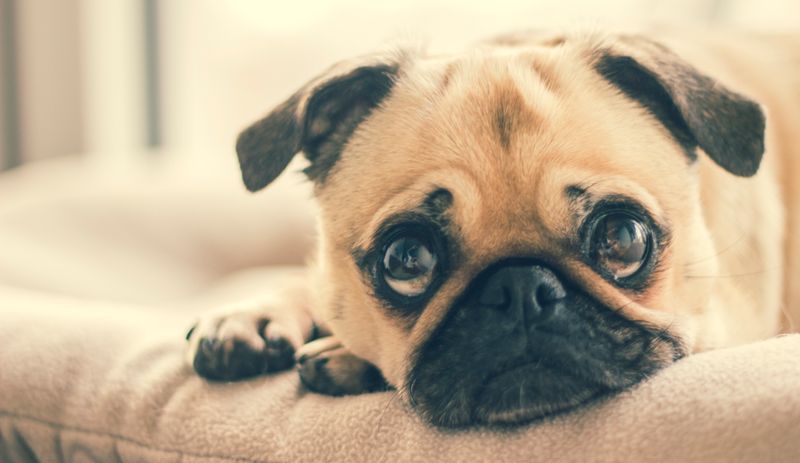

Pugs are among the most affectionate, character-rich companion breeds in the world, but their unique physical conformation—characterized by a compressed facial skull (brachycephaly), prominent globular eyes, and tightly curled tails—places them at extraordinary risk for specialized anatomical disorders. The veterinary landscape for brachycephalic canines has transformed radically in recent years: advanced surgical interventions such as multilevel airway modification, carbon-dioxide laser stenotic nares resection, and folded flap palatoplasty can permanently transform a gasping Pug’s quality of life. However, these complex procedures routinely generate surgical invoices ranging from $3,500 to $9,000. In this exhaustive 2026 guide, we analyze how major pet insurance carriers treat brachycephalic obstructive airway syndrome (BOAS), hemivertebrae, and corneal ulcerations, examining specific policy exclusions, required clinical waiting periods, and strategies to secure maximum lifetime reimbursement.
Table of Contents
- Understanding Brachycephalic Obstructive Airway Syndrome (BOAS) in Pugs
- How Pet Insurance Underwriters Classify and Cover BOAS
- Other High-Risk Pug Health Conditions: Eyes, Spine, and Brain
- Realistic Cost Breakdown: Clinical Case Studies for Pugs
- Comparative Analysis: Pet Insurance Providers for Pug Breeds
- Actionable Strategies to Maximize Reimbursement and Avoid Denials
Understanding Brachycephalic Obstructive Airway Syndrome (BOAS) in Pugs
BOAS is not a single defect but a progressive cascading anatomical complex inherent to the shortened craniofacial morphology of the Pug breed.
Figure 1: Understanding Brachycephalic Obstructive Airway Syndrome (BOAS) in Pugs
Primary Anatomical Defects: Nares, Palate, and Saccules
The craniofacial compression in Pugs leaves the internal soft tissues of the upper respiratory tract disproportionately large relative to the shortened bony skull. The primary components of BOAS include stenotic nares (pinched, narrowed nostrils that dramatically increase airway resistance during inhalation), an elongated soft palate that extends backward into the pharynx to partially obstruct the glottis, and redundant pharyngeal mucosa.
When a Pug exerts extra inspiratory effort to draw oxygen past these collapsed nostrils and overgrown palatal tissue, the resulting negative suction pressure gradually pulls the laryngeal saccules out of their anatomical crypts, leading to everted laryngeal saccules (Grade I laryngeal collapse). Over months and years of chronic respiratory distress, this chronic suction pressure can progress to advanced cartilage deformation, secondary tracheal hypoplasia, and catastrophic acute respiratory failure during moderate heat or exercise.
Clinical Diagnosis and Diagnostic Imaging Protocols
Accurate assessment of BOAS severity requires specialized veterinary diagnostics. Board-certified veterinary surgeons evaluate Pugs through functional exercise tolerance testing (such as the Cambridge BOAS respiratory grading system, ranging from Grade 0 for asymptomatic dogs to Grade 3 for severe distress) followed by sedated pharyngeal examination and computerized tomography (CT) of the head and thorax.
High-resolution CT imaging is essential to measure soft palate thickness, evaluate for aberrant caudal turbinates (conchae that obstruct the nasopharynx), and verify tracheal diameter. Tracheal hypoplasia—a congenitally narrow trachea—is frequently present in brachycephalic breeds and significantly compounds upper airway resistance. Diagnostic workups, including intravenous sedation, fluoroscopy, and advanced cross-sectional CT imaging, typically cost between $1,800 and $3,400 at specialty veterinary teaching hospitals.
Surgical Intervention Techniques: Staphylectomy and Rhinoplasty
Modern surgical management of BOAS focuses on early, preventative correction before secondary irreversible laryngeal collapse occurs. The standard surgical suite includes surgical rhinoplasty (wedge resection or alarplasty to widen the nasal apertures) combined with elongated soft palate resection (staphylectomy or folded flap palatoplasty, frequently performed with harmonic scalpels or surgical CO2 lasers to minimize hemorrhage and postoperative edema).
In severe cases, surgeons also perform bilateral laryngeal sacculectomy and laser turbinectomy (LATE procedure) to vaporize obstructive mucosal turbinates within the nasal cavity. Postoperative recovery requires intensive 24-to-48-hour monitoring in a high-flow oxygen cage with anti-inflammatory corticosteroid therapy to manage pharyngeal swelling. Total surgical packages at specialty surgical centers range from $3,800 to $8,500.
How Pet Insurance Underwriters Classify and Cover BOAS
Coverage for brachycephalic conditions varies dramatically across underwriters, hinging upon pre-existing condition definitions, waiting periods, and breed-specific riders.
Figure 2: How Pet Insurance Underwriters Classify and Cover BOAS
Pre-Existing Symptom Traps: Snoring, Stridor, and Chart Notes
The greatest coverage pitfall for Pug owners is the ‘pre-existing condition trap’ during baseline veterinary visits. Pet insurance underwriters scrutinize medical chart histories going back 12 to 24 months. If an examining veterinarian notes ‘mild stertor,’ ‘loud snoring at rest,’ ‘pinched nares,’ or ‘stenotic nostrils’ on an initial intake record before your policy enrollment or during the statutory 14-day illness waiting period, every subsequent airway claim will be permanently denied as pre-existing.
Underwriters classify BOAS as a progressive systemic disorder. Therefore, even if your Pug was never formally diagnosed with ‘BOAS syndrome’ as a puppy, early clinical documentation of heavy breathing, heat intolerance, or nasal pinch gives claims adjusters contractual grounds to exclude all future palate surgeries, nostril widenings, and emergency oxygen therapy.
Underwriter Waiting Periods and Bilateral Condition Clauses
While standard illness waiting periods are typically 14 days, several pet insurance providers impose extended orthopedic and hereditary waiting periods of 6 to 12 months for breed-specific genetic traits unless a mandatory veterinary orthopedic and respiratory clearance examination is submitted. Furthermore, underwriters enforce strict bilateral and developmental condition rules.
If a Pug develops a right-sided laryngeal defect or unilateral upper airway complication before coverage takes effect, underwriters treat the entire upper respiratory tract as an interconnected anatomical complex, completely excluding both left-sided interventions and future pharyngeal surgeries under standard policy terms.
Wellness Add-Ons vs. Accident & Illness Core Policies
It is critical to distinguish between preventative wellness endorsements and comprehensive accident-and-illness policies. Routine wellness riders reimburse standard vaccinations, microchipping, and routine dental cleanings (usually capped at $200 to $450 annually), but they explicitly exclude major corrective surgeries like staphylectomy or rhinoplasty.
Surgeries to correct stenotic nares or palate elongation must be claimed under accident-and-illness base policies. To qualify for reimbursement, the attending veterinarian must establish that the procedure is medically necessary to relieve clinical hypoxia, sleep apnea, or life-threatening distress, rather than an elective or cosmetic cosmetic breed standard alteration.
Other High-Risk Pug Health Conditions: Eyes, Spine, and Brain
Beyond respiratory distress, Pugs are predisposed to severe ocular ulcerations, spinal hemivertebrae, and fatal neuroinflammatory conditions.

Figure 3: Other High-Risk Pug Health Conditions: Eyes, Spine, and Brain
Corneal Ulcerations, Entropion, and Pigmentary Keratitis
Due to shallow bony eye sockets (exophthalmos) and wide palpebral fissures, Pugs have prominent, exposed corneas that fail to close completely during blinking (lagophthalmos). This structural vulnerability leads to chronic dry eye (keratoconjunctivitis sicca), traumatic scratch injuries, and deep indolent corneal ulcers that can rupture within 48 hours without aggressive intervention.
Additionally, medial lower eyelid entropion—where facial skin folds roll inward, causing eyelashes to abrade the eyeball—triggers chronic pigmentary keratitis, depositing dark melanin across the eye and causing progressive blindness. Corrective entropion surgery costs $1,500 to $2,800, while surgical corneal graft procedures performed by board-certified veterinary ophthalmologists range from $3,200 to $5,500 per affected eye.
Spinal Hemivertebrae and Intervertebral Disc Disease (IVDD)
The genetic selection for a tightly curled tail (the ‘screw tail’) is genetically linked to spinal deformities known as hemivertebrae—wedge-shaped spinal bones that cause abnormal curvatures (scoliosis and kyphosis) along the thoracic and lumbar spine. As deformed vertebrae compress the spinal cord, Pugs can develop progressive hindlimb ataxia, fecal incontinence, and acute paraplegia.
Diagnosis requires spinal MRI and CT myelography ($2,500 to $4,000), followed by delicate spinal decompression surgery (hemilaminectomy or spinal stabilization, costing $6,000 to $9,500). Pet insurance policies that cap annual payouts at $5,000 leave Pug owners with thousands of dollars in uncovered neurosurgical expenses.
Pug Dog Encephalitis (NME): Diagnosis and Lifelong Management
Necrotizing meningoencephalitis (NME), historically designated as Pug Dog Encephalitis (PDE), is an aggressive, idiopathic autoimmune inflammatory disorder of the central nervous system that preferentially targets young to middle-aged Pugs. Genetic markers on the dog leukocyte antigen (DLA) complex have been identified by veterinary researchers at the UC Davis Veterinary Genetics Laboratory.
Affected Pugs present with acute seizures, compulsive circling, head pressing, blindness, and behavioral collapse. A definitive diagnosis requires a brain MRI, cerebrospinal fluid (CSF) analysis, and infectious disease PCR panels ($3,000 to $5,200). Managing NME demands aggressive, lifelong immunosuppressive chemotherapy (cyclosporine, mycophenolate mofetil, and high-dose prednisone) alongside antiepileptic medications, running $250 to $600 per month for maintenance therapy.
Realistic Cost Breakdown: Clinical Case Studies for Pugs
Analyzing real-world veterinary invoices demonstrates the immense financial impact of complex brachycephalic medical crises.
Figure 4: Realistic Cost Breakdown: Clinical Case Studies for Pugs
Case Study 1: Complete Multilevel BOAS Surgical Intervention
A 14-month-old male Pug named Winston presented with Grade 3 BOAS, severe heat exhaustion during an 82-degree walk, and recurrent syncope (fainting episodes). The dog was admitted to a veterinary specialty hospital for stabilization and emergency surgery.
Diagnostic Workup: Initial veterinary ER triage and IV fluid therapy ($620); diagnostic sedation and whole-body thoracic/head CT scan ($2,150); pre-anesthetic bloodwork and arterial blood gas analysis ($380).
Surgical Procedure: Harmonic scalpel staphylectomy ($1,950); bilateral vertical wedge alarplasty ($1,100); bilateral laryngeal sacculectomy ($980).
Postoperative Care: 36 hours in a temperature-controlled ICU oxygen tent ($1,650); post-surgical antibiotics, anti-emetics, and fentanyl CRI analgesia ($520); discharge medications and Elizabethan collar ($160).
Total Emergency Clinical Invoice: $7,510.
Under a comprehensive 90% reimbursement policy with a $250 annual deductible, pet insurance reimbursed $6,534, reducing the owner’s out-of-pocket financial liability from $7,510 to just $976.
Case Study 2: Deep Melting Corneal Ulcer and Conjunctival Pedicle Flap
A 3-year-old female Pug named Bella suffered an innocent scratch while playing, which rapidly transformed into a deep, collagenase-induced ‘melting’ corneal ulcer with descemetocele formation threatening globe perforation.
Specialty Ophthalmology Care: Emergency veterinary ophthalmologist consultation, fluorescein staining, and tonometry ($450); surgical operating microscope preparation and general inhalant anesthesia ($850); conjunctival pedicle graft surgery ($2,600); subpalpebral lavage catheter placement for automated round-the-clock medication delivery ($620); intensive topical autologous serum, voriconazole, and ofloxacin drops ($410); three follow-up recheck appointments and micro-suture removal ($540).
Total Ophthalmic Invoice: $5,470.
Without active pet insurance, the owner would have had to choose between paying $5,470 out of pocket or performing an eye enucleation (surgical removal of the eye). With an 80% reimbursement policy, the insurance payout totaled $4,176.
Comparative Analysis: Pet Insurance Providers for Pug Breeds
Underwriter rules on brachycephalic airway syndromes and exam requirements differ substantially across major carriers.
Figure 5: Comparative Analysis: Pet Insurance Providers for Pug Breeds
Carrier Coverage Comparison: Trupanion, Lemonade, Pets Best, and Embrace
Trupanion stands out as an exceptional choice for Pugs because it provides an unlimited lifetime payout cap, pays veterinary hospitals directly via its proprietary software at checkout, and covers congenital, hereditary, and brachycephalic conditions without special waiting period riders—provided no symptoms existed prior to policy inception. However, its monthly premiums for Pugs reflect this high risk.
Lemonade provides highly competitive baseline rates and an intuitive mobile claims process, but its underwriting criteria enforce strict exclusion policies: any mention of respiratory noise prior to policy inception will permanently void all airway claims. Pets Best offers customizable deductibles and comprehensive coverage for hereditary disorders, including BOAS surgery, provided the dog is enrolled before clinical manifestation. Embrace includes an attractive diminishing deductible feature, but owners must be mindful of its 6-month orthopedic review requirements.
Premium Variance by State and Metropolitan Area
Pet insurance underwriters establish geographic rating tiers based on regional veterinary operational costs and claim frequency. For an 8-month-old Pug enrolled in an accident-and-illness policy ($500 annual deductible, 80% reimbursement, $10,000 annual limit), average monthly rates in 2026 demonstrate sharp regional divergence:
– New York, NY (Manhattan/Brooklyn): $98.50 to $142.00/month
– Los Angeles, CA: $89.00 to $131.50/month
– Miami, FL: $79.20 to $118.00/month
– Dallas, TX: $64.50 to $92.00/month
– Columbus, OH: $51.00 to $76.50/month
In coastal metropolitan areas with dense concentrations of 24-hour specialty surgical centers, Pug premiums run 45% to 75% higher than in Midwestern rural territories due to higher baseline veterinary fee schedules.
Actionable Strategies to Maximize Reimbursement and Avoid Denials
Following a meticulous enrollment protocol ensures your Pug’s policy delivers maximum protection when medical emergencies arise.
Figure 6: Actionable Strategies to Maximize Reimbursement and Avoid Denials
The 8-Week Puppy Enrollment Protocol
The single most vital strategy for Pug owners is enrolling their puppy between 8 and 10 weeks of age, immediately upon acquisition from the breeder or rescue. Schedule a complete veterinary wellness examination on the exact day coverage becomes effective or within the first 48 hours.
Review the veterinarian’s written intake exam notes before leaving the clinic. Ensure the clinician does not prematurely write speculative comments like ‘slight respiratory noise’ or ‘mildly stenotic nostrils’ if the puppy is simply panting from clinic stress or excitement. A clean, symptom-free baseline medical record established at 8 weeks provides incontrovertible proof against future claim denials.
Maintaining Comprehensive Veterinary Medical Documentation
Pet insurance claims adjusters routinely request complete medical records from every veterinary facility visited throughout the pet’s lifetime. Maintain a dedicated digital binder containing adoption agreements, complete vaccination certificates, spay/neuter operative notes, and routine wellness check records.
If your Pug requires BOAS surgery, have your board-certified surgeon clearly document that the intervention is restorative and necessary to correct clinical respiratory obstruction, rather than a prophylactic or cosmetic procedure. Clear diagnostic documentation—including pre-op thoracic radiographs, blood gas values, and endoscopic imaging—substantially expedites claim approval.
Pug Pet Insurance Underwriter Comparison Matrix (2026)
| Insurance Carrier | BOAS Surgical Coverage | Waiting Period (Illness) | Annual Payout Limit | Direct Vet Pay | Sample Monthly Cost (8 mo Pug) |
|---|---|---|---|---|---|
| Trupanion | Fully Covered (if no prior symptoms) | 5 Days (Injuries) / 30 Days (Illness) | Unlimited (Per condition) | Yes (Direct software integration) | $92 – $138 / mo |
| Pets Best | Fully Covered (including laser surgery) | 3 Days (Accident) / 14 Days (Illness) | Unlimited or $5,000 / $10,000 | Yes (Vet direct pay available) | $64 – $96 / mo |
| Lemonade | Covered with Base Policy | 2 Days (Accident) / 14 Days (Illness) | $20,000 / $50,000 / $100,000 | No (Reimbursement via app) | $52 – $84 / mo |
| Embrace | Covered (including exam fees with rider) | 2 Days (Accident) / 14 Days (Illness) | $5,000 – $15,000 or Unlimited | Yes (Via claim pre-approval) | $68 – $104 / mo |
| Fetch by The Dodo | Covered (comprehensive airway care) | 15 Days (All conditions) | $5,000 / $15,000 / Unlimited | No (Direct deposit reimbursement) | $71 – $108 / mo |
Source: Veterinary clinical fee indices, American Kennel Club (AKC), Cat Fanciers’ Association (CFA), and actuarial claims databases (2026 data analysis).
Explore Related In-Depth Guides in This Silo:
- [[INTERLINK: What Is Pet Insurance and How Does It Actually Work?]]
- [[INTERLINK: Bulldog Pet Insurance: English vs French Bulldog Cost and Coverage]]
- [[INTERLINK: Pet Insurance Waiting Periods Explained: What to Expect Before Coverage Starts]]
- [[INTERLINK: How Much Does Pet Insurance Cost in 2026? Monthly Pricing Breakdown]]
Frequently Asked Questions (FAQs)
Does pet insurance cover soft palate and stenotic nares surgery for Pugs?
Yes, standard accident-and-illness policies cover staphylectomy (soft palate resection) and rhinoplasty (stenotic nares widening) for Pugs, provided the condition was not diagnosed, noted, or symptomatic prior to policy enrollment and before the expiration of mandatory waiting periods. The surgery must be deemed medically necessary by a licensed veterinarian.
Why is pet insurance so expensive for Pugs compared to other small breeds?
Pugs carry some of the highest actuarial risk scores in the pet insurance industry due to their brachycephalic facial structure, high frequency of ocular trauma, predisposition to spinal hemivertebrae, and lifelong dermatological and allergy issues. Underwriters price Pug premiums 40% to 80% higher than same-aged Chihuahuas or mixed-breed small dogs to account for these predictable claim expenses.
Will pet insurance cover Pug Dog Encephalitis (PDE)?
Yes, acute necrotizing meningoencephalitis (PDE) is covered under comprehensive illness policies, including diagnostic MRIs, cerebrospinal fluid analysis, emergency anti-seizure stabilization, and ongoing immunosuppressive medications, as long as the dog had no neurological symptoms or diagnosis prior to coverage inception.
Can I buy pet insurance after my Pug has been diagnosed with BOAS?
You can still purchase pet insurance, but all respiratory conditions, palate issues, nostril corrections, and related airway emergencies will be permanently excluded as pre-existing conditions. However, the policy will still protect your Pug against unrelated accidents, poison ingestion, cancer, fractures, and unrelated illnesses like diabetes or gastrointestinal disease.
What is the Cambridge BOAS respiratory grading system?
The Cambridge BOAS grading system is an objective clinical assessment tool developed by veterinary researchers at the University of Cambridge. It grades brachycephalic respiratory function from Grade 0 (no respiratory signs, completely unaffected) to Grade 3 (severe clinical respiratory signs requiring medical and surgical intervention) based on respiratory noise, breathing effort, and exercise tolerance testing.
Final Verdict: Protecting Your Pet Against High Veterinary Costs
Securing comprehensive pet health insurance before hereditary, congenital, or chronic conditions manifest is the single most effective financial strategy for pet parents. Enrolling early guarantees that diagnostic imaging, advanced surgical suites, and lifelong prescription therapies remain fully accessible when emergencies strike.