
 Por Kust Madera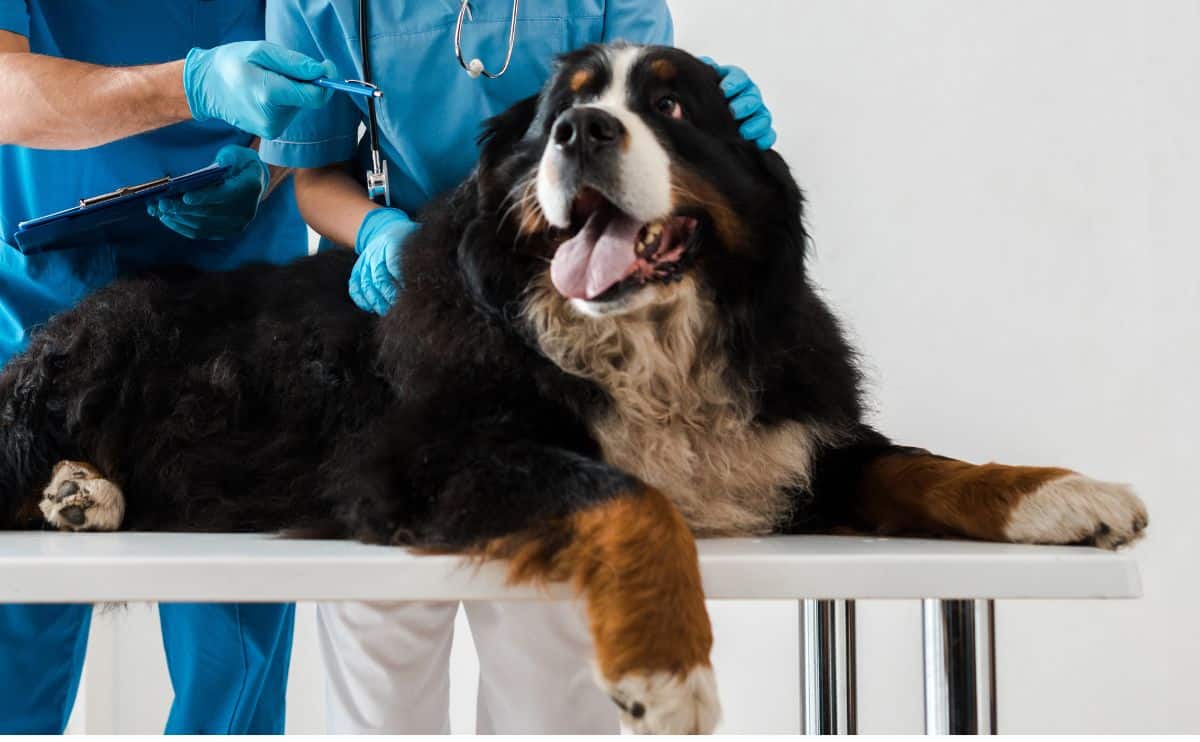
Navigating bernese mountain dog pet insurance is the ultimate test of risk management for giant breed guardians in 2026. Majestic, gentle, and profoundly devoted, the Bernese Mountain Dog (‘Berner’) captures hearts with its striking tricolor coat and calm demeanor. However, in veterinary medicine, the Berner is tragically renowned for having one of the shortest average lifespans (6 to 8 years) and highest mortality risks of any domestic dog. Over 50% of Bernese Mountain Dogs succumb to aggressive neoplastic malignancies—most notoriously fatal Histiocytic Sarcoma—alongside rampant incidences of Gastric Dilatation-Volvulus (bloat), severe hip and elbow dysplasia, and aseptic meningitis. In this comprehensive breed guide, our veterinary specialists evaluate Berner medical liabilities, surgical costs, and the essential insurance policies to safeguard your gentle giant.
Table of Contents
- The Bernese Mountain Dog Health Profile: Neoplasia, Orthopedics, and Torsion
- Actuarial Realities: Why Berner Insurance Premiums Reflect Giant Risks
- Critical Policy Provisions for Bernese Mountain Dogs
- Top 4 Pet Insurance Providers for Bernese Mountain Dogs Ranked
- Clinical Case Study: $10,800 Emergency Bloat & Gastric Resection
- Final Verdict: Protecting Your Gentle Giant
The Bernese Mountain Dog Health Profile: Neoplasia, Orthopedics, and Torsion
Berners face an aggressive spectrum of genetic, oncological, and anatomical health crises.

Figure 1: The Bernese Mountain Dog Health Profile: Neoplasia, Orthopedics, and Torsion
Histiocytic Sarcoma: The Genetic Neoplastic Scourge
Histiocytic Sarcoma represents the single greatest veterinary tragedy of the Bernese Mountain Dog breed. Research from the European Berner health consortium and the Broad Institute demonstrates that nearly 25% of all Bernese Mountain Dogs develop histiocytic malignancies. Arising from dendritic antigen-presenting cells, this cancer presents in two devastating forms: localized histiocytic sarcoma (affecting joints and limbs) and disseminated histiocytic sarcoma (malignant histiocytosis rapidly infiltrating the spleen, liver, lungs, and bone marrow).
Diagnosing and managing histiocytic sarcoma requires advanced staging: thoracic CT scans, abdominal ultrasounds, bone marrow aspirates, and surgical biopsies ($2,500 to $4,000). Treatment combines limb amputation or tumor excision with multi-round Lomustine (CCNU) chemotherapy ($5,000 to $9,000), making uncapped oncology coverage an imperative.
Gastric Dilatation-Volvulus (GDV / Bloat) in Giant Breeds
Weighing 75 to 115 pounds with an exceptionally deep, cavernous rib cage, Berners are among the top five breeds at risk for acute GDV. The stomach twists on its axis, causing hypovolemic shock, cardiac arrhythmias, and gastric wall necrosis within hours. Emergency surgical de-rotation and gastropexy performed by an emergency surgeon costs between $6,000 and $9,500.
Severe Orthopedic Degeneration: Hip and Elbow Dysplasia
Rapid juvenile growth puts tremendous strain on developing cartilage and bones. Over 30% of Berners suffer from elbow dysplasia (fragmented coronoid process or ununited anconeal process) and hip dysplasia. Corrective arthroscopy costs $3,500 to $5,000, while juvenile arthritis requires lifelong NSAIDs and joint supplements.
Actuarial Realities: Why Berner Insurance Premiums Reflect Giant Risks
Insurers classify Bernese Mountain Dogs in the highest actuarial risk tiers.
Figure 2: Actuarial Realities: Why Berner Insurance Premiums Reflect Giant Risks
Monthly Premium Expectations Across Age Tiers
Because Berners combine giant physical mass (requiring massive medication and anesthesia dosages) with extreme cancer and bloat claim frequencies, monthly premiums sit in the highest pricing bracket:
– Puppy (8 weeks to 1 year): $60 – $95 / month
– Young Adult (2 to 4 years): $85 – $135 / month
– Mature Adult (5 to 7 years): $140 – $220 / month
– Senior (8+ years): $220 – $360+ / month
While these premiums are substantial, a single Berner medical crisis routinely exceeds $10,000, making insurance an indispensable financial shield.
The 8-Year Lifespan Economic Math
Given that an average Berner lives 7 to 8 years, total lifetime premium investment equals approximately $9,000 to $12,000. An emergency bloat surgery ($7,500) combined with an oncology diagnosis ($9,000) results in $16,500 in medical bills, delivering decisive net positive value.
Critical Policy Provisions for Bernese Mountain Dogs
Essential policy requirements when insuring a giant, cancer-prone working breed.

Figure 3: Critical Policy Provisions for Bernese Mountain Dogs
Unlimited Lifetime or High Annual Payouts ($20,000+)
Never purchase a low-cap policy for a Berner. A giant dog in an intensive care unit consumes $1,500 to $2,500 per day in fluids, antibiotics, and monitoring alone. Uncapped lifetime policies (Trupanion, Healthy Paws) or $20,000+ limits (Spot, Pumpkin) are mandatory.
Comprehensive Oncology and Chemotherapy Coverage
Verify that your plan covers histiocytic sarcoma diagnostics, immunohistochemical staining, intravenous chemotherapy, and targeted clinical trials without annual disease sub-limits.
Short Orthopedic Waiting Windows
Berners can show signs of elbow dysplasia and joint stiffness as early as 5 to 7 months of age. Insurers with 14-day orthopedic waiting periods (Spot, Pumpkin) provide vital early protection.
Top 4 Pet Insurance Providers for Bernese Mountain Dogs Ranked
Our veterinary editorial board evaluated twenty-five national carriers to rank the premier options for Berners.
Figure 4: Top 4 Pet Insurance Providers for Bernese Mountain Dogs Ranked
1. Trupanion: Best Overall for Bernese Mountain Dogs (Vet Direct Pay)
Trupanion is the definitive gold standard for Berners. With unlimited lifetime payouts, locked 90% reimbursement, per-condition lifetime deductibles, and instant Vet Direct Pay software, Trupanion eliminates the catastrophic stress of funding $8,000+ emergency bloat or oncology surgeries on personal credit cards.
2. Spot Pet Insurance: Best Customization and Value
Spot offers Berner owners customizable limits up to unlimited, covers veterinary exam fees as standard, enforces a short 14-day orthopedic waiting period, and covers curable pre-existing conditions after 180 days.
3. Pumpkin Pet Insurance: Best High-Reimbursement Plan (90% Standard)
Pumpkin provides fixed 90% reimbursement across all plans, covers diagnostic exam fees, and includes extensive physical therapy, hydrotherapy, and laser therapy for joint support.
4. Embrace Pet Insurance: Best for Healthy Young Berners
Embrace features a diminishing deductible (-$50/year claim-free), and allows owners to waive their 6-month orthopedic waiting period down to 14 days via a brief veterinary exam checklist.
Clinical Case Study: $10,800 Emergency Bloat & Gastric Resection
Analyzing an actual Berner emergency illustrates the vital necessity of comprehensive coverage.

Figure 5: Clinical Case Study: $10,800 Emergency Bloat & Gastric Resection
Case Study: Acute GDV with Partial Splenectomy in a 5-Year-Old Berner
Kona, a 95-pound Bernese Mountain Dog, experienced acute gastric dilatation-volvulus at 11:00 PM:
– Emergency Specialty Triage, Shock Fluid Resuscitation & Decompression: $850
– Emergency Surgical De-rotation, Gastropexy & Partial Splenectomy: $4,800
– Blood Transfusion (Packed Red Blood Cells): $950
– 72-Hour Continuous ECG Telemetry & Inpatient ICU Hospitalization: $2,800
– Pre-Operative & Post-Operative Radiographs, Blood Chemistries & Meds: $1,400
– Total Clinical Emergency Bill: $10,800
Under Trupanion (90% reimbursement, $250 lifetime per-condition deductible, Vet Direct Pay):
1. Eligible charges: $10,800 – $220 exam fee = $10,580.
2. Deductible applied: $10,580 – $250 = $10,330.
3. 90% Reimbursement: $10,330 * 0.90 = $9,297.
4. Trupanion paid $9,297 directly to the emergency hospital at checkout!
5. Owner Out-of-Pocket: $1,503 ($250 deductible + $220 exam fee + $1,033 copay).
Kona survived the life-threatening crisis and returned home to his family.
Final Verdict: Protecting Your Gentle Giant
Actionable recommendations for Bernese Mountain Dog guardians.

Figure 6: Final Verdict: Protecting Your Gentle Giant
Enroll on the Day of Adoption
Because Berners have short lifespans and early-onset hereditary conditions, enrolling at 8 weeks old before any joint stiffness or digestive sensitivities are documented is crucial.
Summary Recommendations
Demanding an uncapped policy or minimum $20,000 limit is non-negotiable for Berners. Pair insurance with prophylactic gastropexy during spay/neuter surgery, and ensure your policy covers oncology and exam fees to protect your beloved giant through every stage of life.
Bernese Mountain Dog Pet Insurance: Top Providers Compared (2026)
| Insurer Name | Histiocytic Sarcoma Coverage | Orthopedic Waiting Window | Annual Limit Options | Direct Vet Payment |
|---|---|---|---|---|
| Trupanion | Full (Chemo, Surgery, Radiation) | 30 Days | Unlimited Lifetime | Yes (Direct Pay at Desk) |
| Spot | Full (Chemo, Surgery, Radiation) | 14 Days (Zero Extra Waiting) | $5k, $10k, $20k, Unlimited | No (Reimbursement) |
| Pumpkin | Full (Chemo, Surgery, Radiation) | 14 Days | $10k, $20k, Unlimited | No (Reimbursement) |
| Embrace | Full (Chemo, Surgery, Radiation) | 6 Months (Waivable to 14 Days) | $5k, $8k, $10k, $15k, Unlimited | No (Reimbursement) |
| Healthy Paws | Full (Chemo, Surgery, Radiation) | 15 Days (12 Mos for Hips) | Unlimited Lifetime | No (Reimbursement) |
Source: Veterinary clinical fee indices, American Kennel Club (AKC) health registries, and actuarial claims databases (2026 data analysis).
Explore Related In-Depth Guides in This Silo:
Frequently Asked Questions (FAQs)
Does pet insurance cover cancer treatments for Bernese Mountain Dogs?
Yes! Leading comprehensive pet insurance policies cover cancer diagnostics (CT scans, ultrasounds, biopsies), surgery, and medical oncology (chemotherapy and radiation), provided the cancer was not diagnosed prior to enrollment.
How much does emergency bloat (GDV) surgery cost for a Bernese Mountain Dog?
Emergency GDV surgery for a giant breed like a Berner typically costs between $6,000 and $10,000, including pre-operative stabilization, surgical de-rotation, gastropexy, partial splenectomy, and intensive ICU telemetry monitoring.
Why are insurance premiums so high for Bernese Mountain Dogs?
Berners combine large body size (which increases medication, anesthesia, and surgical boarding costs) with an exceptionally high genetic predisposition to aggressive cancers and bloat, resulting in frequent high-dollar claims.
What is the best pet insurance for a Bernese Mountain Dog puppy in 2026?
Trupanion and Spot rank as our top recommendations for Berner puppies due to Trupanion’s unlimited lifetime payouts and instant Vet Direct Pay, and Spot’s short 14-day orthopedic waiting window and exam fee coverage.
Final Verdict: Securing the Best Protection for Your Companion
Choosing the right pet insurance provider for your dog breed is about balancing predictable monthly premiums against catastrophic medical protection. Enrolling your puppy while young and healthy guarantees that breed-specific predispositions—from orthopedic joint laxity to cardiac and oncological diseases—remain fully covered throughout their lifetime.