
 Por Kust Madera

Knowing the best time to get pet insurance puppy or kitten parents can choose is the single most valuable financial timing decision you will encounter in 2026. The definitive, unassailable veterinary consensus is to bind coverage the exact day your new companion reaches eight weeks of age or the moment you bring them home from the breeder or shelter. Enrolling during early infancy locks in pristine baseline medical records, completely eliminates devastating pre-existing condition exclusions, and guarantees the lowest possible entry premium. In this clinical guide, we detail why waiting even a few months can permanently jeopardize your pet’s healthcare coverage.
Table of Contents
- The 8-Week Rule: Why Early Enrollment Is Essential
- Puppyhood Risk Factors: Foreign Ingestion and Viral Perils
- The Cost of Procrastination: How a Single Vet Visit Destroys Coverage
- Navigating First-Exam Requirements and Waiting Period Strategy
- Breeder Health Guarantees vs Third-Party Pet Insurance
- The Spaying and Neutering Timing Dilemma
The 8-Week Rule: Why Early Enrollment Is Essential
The minimum statutory age for companion animal insurance enrollment across virtually all United States underwriters is exactly eight weeks.

Figure 1: The 8-Week Rule: Why Early Enrollment Is Essential
The Clean Medical Record Slate
At eight weeks of age, a newly weaned puppy or kitten has typically visited a veterinarian only once or twice for maternal deworming and first-round core vaccinations. Their veterinary medical record contains zero documentation of chronic pruritus, heart murmurs, patellar luxation, or gastrointestinal sensitivity.
Because pet insurance underwriters scrutinize medical charts for pre-existing symptoms, an 8-week-old puppy possesses an unblemished slate. Every condition that develops subsequently throughout their entire adult life—whether it is hip dysplasia at age two or mast cell cancer at age nine—will be covered at full contracted reimbursement rates.
The Vulnerability of Waiting Periods
Because policies require mandatory waiting periods (e.g., 48 hours for accidents and 14 days for illnesses), enrolling your puppy immediately upon arrival ensures that those waiting periods expire while the animal is still safely confined in your home during puppy-proofing and socialization.
Puppyhood Risk Factors: Foreign Ingestion and Viral Perils
Young juvenile animals experience the highest statistical incidence of emergency trauma and life-threatening toxic ingestion of any life stage.

Figure 2: Puppyhood Risk Factors: Foreign Ingestion and Viral Perils
The Foreign Body Ingestion Epidemic
Puppies explore the physical world exclusively through their mouths. Between two and ten months of age, emergency veterinary hospitals treat an astounding volume of foreign body gastrointestinal obstructions. Ingested items range from socks and hair scrunchies to rocks, peach pits, corn cobs, and electrical cords.
An emergency enterotomy or gastrotomy with endoscopic retrieval costs between $3,500 and $7,500. A puppy enrolled at eight weeks is fully covered when exploratory surgery is required at month five.
Infectious Pathogens (Parvovirus and Panleukopenia)
Canine parvovirus and feline panleukopenia are highly contagious, life-threatening viral infections requiring round-the-clock intensive care, isolation wards, IV plasma, and antiemetic therapy costing $4,000 to $8,000 in ICU facilities. Having active insurance coverage ensures that aggressive, multi-day hospitalization can be authorized without economic hesitation.
The Cost of Procrastination: How a Single Vet Visit Destroys Coverage
Delaying pet insurance until after your puppy’s initial veterinary checkups frequently results in permanent, irreversible coverage exclusions.

Figure 3: The Cost of Procrastination: How a Single Vet Visit Destroys Coverage
The Innocent Chart Note Disaster
Consider an owner who acquires a Golden Retriever puppy at eight weeks but decides to ‘wait until the puppy is 6 months old and spayed’ before buying insurance. At the 12-week checkup, the veterinarian casually notes in the clinical chart: ‘Puppy has mild dry flaking skin on abdomen; recommended oatmeal shampoo.’
When the owner finally enrolls at six months, that single innocent observation is flagged by the insurance claims adjuster. The puppy is permanently excluded from all future coverage for canine atopic dermatitis, skin allergies, and secondary bacterial pyoderma for the rest of its life—a medical condition costing thousands in lifelong cytopoint injections and Apoquel medications.
The Orthopedic Genetic Screening Trap
Large breed puppies often undergo developmental orthopedic evaluations around six months. If a veterinarian palpates mild laxity in the coxofemoral joint during a routine spay exam prior to insurance binding, hip dysplasia is instantly deemed pre-existing, permanently excluding $12,000 in future bilateral hip replacement surgeries.
Navigating First-Exam Requirements and Waiting Period Strategy
To validate coverage, insurers mandate a comprehensive baseline physical examination within a specific window of policy activation.

Figure 4: Navigating First-Exam Requirements and Waiting Period Strategy
The 30-Day Mandatory Baseline Physical
Most top underwriters (including Embrace, Spot, and Healthy Paws) require that an insured puppy or kitten have undergone a documented physical veterinary examination within 30 days prior to enrollment or within 14 days following policy binding.
Ensuring your breeder or shelter provides an official health certificate and scheduling a routine physical exam immediately upon taking possession fulfills this statutory requirement, shielding your policy against future administrative disputes.
Breeder Health Guarantees vs Third-Party Pet Insurance
Many new owners falsely assume that breeder contracts render commercial pet insurance redundant during early puppyhood.

Figure 5: Breeder Health Guarantees vs Third-Party Pet Insurance
The Severe Limitations of Breeder Warranties
Reputable dog and cat breeders typically provide a 1-year or 2-year genetic health guarantee. However, these agreements almost never pay veterinary hospital invoices directly. Instead, their legal remedy is usually offering a replacement puppy or a partial refund of the original purchase price upon returning the afflicted animal.
A commercial pet insurance policy provides actual liquid cash reimbursement to pay a specialized veterinary surgeon $6,000 for life-saving surgery, allowing you to treat and keep your beloved companion without returning them to a kennel.
The Spaying and Neutering Timing Dilemma
Undergoing spay or neuter surgery before purchasing pet insurance introduces significant pre-existing condition exposure.
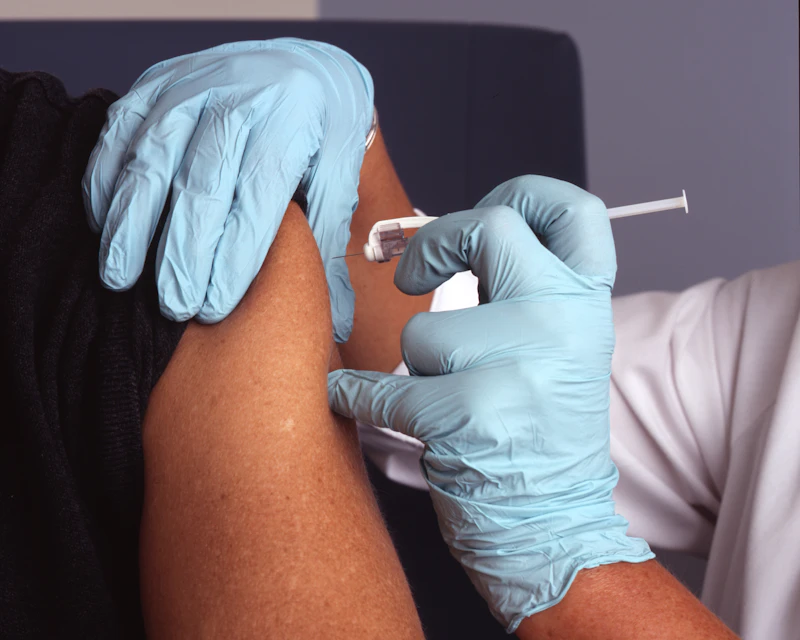
Figure 6: The Spaying and Neutering Timing Dilemma
Complications and Incidental Chart Findings
During gonadectomy surgery, veterinarians place animals under general anesthesia and perform thorough physical palpations. Any incidental finding noted in anesthesia records—such as slight cardiac arrhythmia, elongated soft palate, or umbilical hernia—instantly becomes an excluded pre-existing condition if insurance has not yet bound. Having your policy fully active before surgical sterilization guarantees that any post-operative infections or surgical complications are fully covered.
Enrolling at 8 Weeks vs Waiting Until 6–12 Months: Risk Comparison
| Risk & Coverage Factor | Enrolled at 8 Weeks Old | Enrolled at 6 to 12 Months Old |
|---|---|---|
| Medical Record Status | 100% Clean / Zero Exclusions | High Probability of Documented Symptoms |
| Foreign Body Ingestion Coverage | Fully Covered During Teething Phase | Teething Phase Occurred Uninsured |
| Hereditary Joint / Dysplasia Coverage | Fully Covered (Waiting Periods Expired) | Risk of Joint Laxity Noted at Spay Exam |
| Monthly Premium Tier | Lowest Possible Base Rate | 5% to 15% Higher Base Premium |
| Allergy & Dermatological Coverage | Fully Covered for Lifetime | Commonly Excluded Due to Puppy Rashes |
Source: Industry benchmarks, actuarial claim filings, and veterinary provider fee indices (2026 data analysis).
Explore Related In-Depth Guides in This Silo:
Frequently Asked Questions (FAQs)
Can I insure my puppy before bringing them home from the breeder?
Yes! You can bind a pet insurance policy a few days before picking up your puppy, provided you know their microchip, date of birth, and breed. This allows the mandatory waiting periods to begin counting down before your puppy enters your home.
Do pet insurance companies insure kittens at 6 weeks?
Most insurers enforce a strict 8-week minimum age limit. However, select companies like Nationwide allow enrollment at 6 weeks of age.
Does pet insurance cover routine puppy vaccinations and spay/neuter?
Standard accident and illness policies do not cover routine shots or spaying. To receive reimbursement for routine wellness, you must add a preventative wellness rider to your base policy.
What if my shelter puppy came with an upper respiratory infection?
The upper respiratory infection (kennel cough) will not be covered for that initial episode. However, under transparent ‘curable pre-existing condition’ rules, if the infection completely resolves and your puppy remains symptom-free for 180 days, future respiratory illnesses will be covered.
Final Verdict: Taking the Next Logical Step for Your Pet
Securing comprehensive pet insurance is never about gambling on whether an accident will happen—it is about purchasing total medical freedom. When catastrophic trauma, cancer, or genetic disorders strike, having an active policy with a verified reimbursement mechanism ensures that your clinical decisions are driven by love and veterinary science rather than your bank account balance.
Before binding coverage, request a full medical record review from your prospective underwriter to identify any documented conditions that might trigger pre-existing condition exclusions, and compare personalized quotes across multiple reputable carriers.